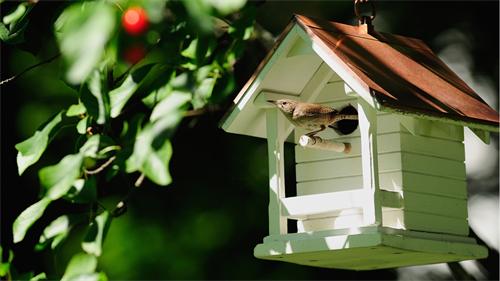
Creating a bird-friendly garden is not just about aesthetics or the joy of hearing a morning chorus of songbirds. It is a scientifically grounded practice that contributes to local biodiversity, supports ecosystems under pressure, and strengthens the ecological connection between humans and wildlife. Gardens, when properly designed, act as miniature sanctuaries for resident birds and migratory visitors alike. They provide food, shelter, water, and breeding spaces that can supplement or restore what is lost due to habitat fragmentation and urbanization.
1. Planting Native Vegetation: Building the Foundation of a Bird Habitat
Unlike ornamental or exotic plants, native species co-evolved with local birds and insects, forming the foundation of a balanced food web.
Why native plants matter
- Nutritional alignment: Research shows that caterpillars and native insects, which are essential food for nestlings, are far more abundant on native plants. For example, a study by entomologist Douglas Tallamy demonstrated that oaks and native cherries support hundreds of insect species, while exotic ornamentals like ginkgo or ornamental cherries support only a fraction. This directly impacts chick survival rates.
- Fruit and seed availability: Native plants produce berries, seeds, and nectar timed with the local seasonal cycles, ensuring food is available when birds need it most.
- Shelter and nesting: Shrubs, hedges, and native grasses provide both protective cover from predators and nesting material.
Practical guidelines for gardeners
Diversity is key: mix trees, shrubs, and flowering plants to create vertical layers. A multilayered habitat mirrors natural woodland edges, which are prime bird habitats. Think of tall trees as nesting spots, mid-level shrubs for shelter, and ground cover for insect foraging.
Avoid pesticides wherever possible. Birds that ingest contaminated insects or seeds can experience reproductive failure or mortality. Opt instead for organic gardening techniques or natural pest control (e.g., ladybugs for aphid management).
2. Providing Feeders: Supplemental Nutrition for Critical Periods
While plants provide the primary basis for avian diets, feeders act as crucial supplements—especially during migration, breeding, and winter. Feeders are not a substitute for habitat restoration, but they do provide targeted support that boosts survival rates.
Types of feeders and their uses
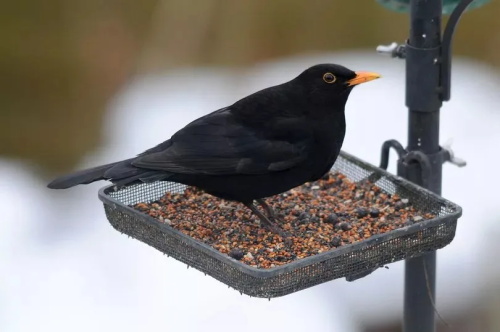
1. Seed feeders: Tube or hopper feeders filled with black-oil sunflower seeds are widely recognized as the most universally attractive food source, appealing to finches, cardinals, chickadees, and more.
2. Suet feeders: High-fat suet cakes are vital in winter, providing concentrated energy for woodpeckers, nuthatches, and wrens.
3. Nectar feeders: Hummingbird feeders, when filled with a 4:1 water-to-sugar solution, provide essential fuel for these high-energy fliers. Avoid red dyes, as studies suggest they may be harmful.
4. Ground feeders: Scatter millet or cracked corn for ground-feeding species like sparrows, juncos, and doves.
Scientific insights on feeder placement
Birds face predation risks when using feeders, particularly from cats and raptors. Research from the Cornell Lab of Ornithology suggests placing feeders within 3 meters of protective cover like shrubs, but far enough to prevent ambushes. Windows should be treated with decals or films to minimize collisions, as feeders near reflective glass significantly increase mortality.
Hygiene and disease prevention
Feeders can become hotspots for disease transmission (e.g., salmonellosis or avian pox). Experts recommend cleaning feeders every two weeks with a mild bleach solution and allowing them to dry completely before refilling. In warm or humid climates, increase cleaning frequency.
3. Offering Water: A Resource Beyond Food
Water is often overlooked but is just as critical as food. Birds use water for hydration, feather maintenance, and thermoregulation. Providing a reliable water source dramatically increases the diversity of species visiting your garden.
Bird baths and beyond
- Shallow baths: Most birds prefer water no deeper than 5 cm. Adding a few flat stones helps smaller birds perch and drink safely.
- Moving water: Studies indicate birds are more likely to visit moving or dripping water sources, as the sound and sparkle attract attention. Solar-powered fountains or drippers can achieve this.
- Winter access: In colder regions, heated bird baths prevent freezing and provide life-saving hydration during harsh months.
Placement and maintenance
Situate baths in partially shaded areas to keep water cool and reduce algae growth. As with feeders, baths must be cleaned regularly—ideally every few days—to prevent mosquito breeding and pathogen buildup.
4. Creating Shelter and Nesting Opportunities
Beyond food and water, birds need safe places to rest, hide, and reproduce. Gardens designed with structural diversity not only encourage birds to visit but also to stay and raise their young.
Natural shelter
Thick shrubs, evergreens, and brush piles mimic natural protective environments. Even leaving a corner of your garden “wild” with tall grasses or fallen logs can provide valuable cover for ground-nesting birds.
Nest boxes and artificial habitats
For cavity-nesting species like bluebirds, chickadees, or owls, nest boxes compensate for the loss of dead trees in urban areas. However, scientific recommendations stress proper design:
- Entrance hole size should be species-specific (e.g., 3.2 cm for chickadees, 4.5 cm for bluebirds).
- No perches outside the entrance, as they assist predators.
- Proper ventilation and drainage to regulate temperature and prevent flooding.
- Annual cleaning after the breeding season to reduce parasite load.
5. Seasonal Management: Adapting to Birds’ Changing Needs
Birds’ requirements change dramatically across seasons, making adaptive management strategies critical for year-round attraction.
Spring and summer
- Breeding season: Protein is essential, so insects are the primary food. Ensure native plants are thriving to support insect populations. Supplement with mealworms at feeders.
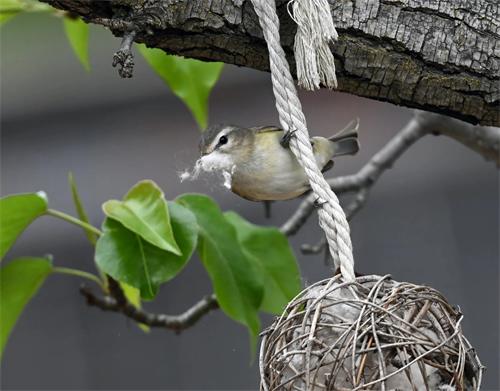
- Nesting: Provide safe nesting materials such as natural fibers, twigs, or untreated grass clippings. Avoid synthetic yarns or dryer lint, which can entangle birds or absorb moisture.
Autumn
- Migration support: Many species double their body weight before long flights. Berry-producing plants like dogwood, elderberry, and viburnum provide high-energy fuel. Keep feeders stocked with sunflower seeds and suet.
- Habitat continuity: Do not cut back seed-bearing plants like coneflowers or sunflowers until late winter. Their seeds feed finches and sparrows, while stems shelter overwintering insects.
Winter
- Energy conservation: Birds need high-fat foods to survive cold nights. Suet, peanuts, and sunflower seeds are invaluable.
- Water maintenance: Heated baths prevent dehydration, as natural water is often frozen.
- Shelter: Evergreens or roosting boxes provide critical protection from storms and low temperatures.
Why Garden Birds Matter
Birds act as pollinators, pest regulators, and seed dispersers. They also serve as bioindicators; changes in bird populations often reflect wider ecological health.
Citizen science initiatives like Project FeederWatch or eBird allow backyard birdwatchers to contribute valuable data used by ornithologists worldwide. By maintaining bird-friendly gardens, individuals not only help sustain local populations but also play an active role in scientific monitoring.
A Garden That Gives Back
Welcoming birds into your garden is both an art and a science. By integrating native vegetation, carefully maintained feeders, reliable water sources, shelter and nesting opportunities, and seasonally adaptive management, you create a sustainable habitat that supports birds year-round.
This is not simply about beautifying your yard or enjoying birdwatching—though both are undeniable rewards. It is about contributing to biodiversity conservation, strengthening ecological resilience, and reconnecting with the rhythms of nature.
Through scientifically informed choices, each garden can become a sanctuary that supports local bird populations for generations to come.
Recommend:

Organic vs. Conventional: Is Organic Pet Food Worth the Hype?
Designing Sustainable Habitats: Integrating Clean-Up Crew, Circulation, and Natural Vegetation

Supporting Your Dog’s Gut Health: Probiotics, Products, and Homemade Recipes
Breeding and Managing Live Feed: Techniques for Crickets, Fruit Flies, and Worms