In modern pet care, a dog’s health is no longer judged solely by body weight, coat shine, or physical appearance. Increasingly, pet owners are paying attention to a deeper, often overlooked aspect of wellness—gut health. The digestive system is not just responsible for breaking down food and absorbing nutrients; it is intricately connected to immunity, mood, and overall vitality. Studies indicate that roughly 70% of a dog’s immune cells reside in the gut, highlighting the critical role gut health plays in maintaining overall well-being.
However, domestic pets face very different circumstances compared to their wild counterparts. Animals living in natural environments acquire a diverse array of beneficial microorganisms and nutrients through varied diets. In contrast, household dogs often consume a relatively uniform diet supplemented with commercial treats. Many of these processed snacks contain additives that can disrupt the delicate balance of the gut microbiota. As a result, questions like “how can I safely and effectively supplement probiotics to maintain my dog’s gut health?” are becoming increasingly common among conscientious pet owners.
1. The “Invisible City” Inside Your Dog’s Gut
One way to understand a dog’s gut is to imagine it as a bustling city, inhabited by billions of microorganisms.
- Some of these microbes are “good citizens.” They help break down food, synthesize essential nutrients, and prevent the overgrowth of harmful bacteria.
- Others are more like “troublemakers,” capable of causing digestive issues, diarrhea, or even weakening the immune system if their population grows unchecked.
When this microbial city functions smoothly, your dog’s digestion is efficient, and its body remains energetic and healthy. But when the balance between beneficial and harmful bacteria is disrupted, problems arise. Probiotics act like a well-trained task force, restoring order, supporting digestion, and boosting defenses against potential threats.
According to the American Veterinary Association (AVA) in 2023, dogs that received long-term probiotic supplementation experienced a 62% reduction in recurrent diarrhea. This data suggests that probiotics are not just a temporary fix for digestive issues—they can provide long-lasting protection for gut health.
2. Why Dogs Lose Gut Balance
Many owners wonder why their dogs, despite having a regular diet, sometimes experience diarrhea, constipation, or reduced appetite. The truth is that a dog’s gut is highly sensitive, and several factors can disrupt the microbial balance:
1. Dietary changes: Sudden switches in dog food or accidental ingestion of inappropriate foods.
2. Environmental changes: Moving homes, long trips, or staying in unfamiliar boarding facilities.
3. Stressful situations: Vet visits, fireworks, thunderstorms, or the introduction of a new family member.
4. Climate and temperature shifts: Exposure to cold or sudden temperature fluctuations.
5. Medication use: Deworming treatments, vaccinations, or antibiotics can alter gut flora.
When such factors reduce the population of beneficial bacteria, opportunistic harmful bacteria can take over. At this point, probiotics act as a “peacekeeping force,” helping restore balance and alleviate discomfort.
3. Which Dogs Benefit Most from Probiotics
Not all dogs require daily probiotic supplementation. However, certain groups tend to benefit significantly:
- Small breeds with sensitive stomachs: Chihuahuas, Pomeranians, and other toy breeds often experience digestive upset due to their delicate gut systems.
- Senior dogs (over 7 years old): Aging can reduce digestive efficiency, making probiotics helpful for maintaining gut health.
- Post-surgical or medicated dogs: Probiotics can aid in gut recovery and reduce side effects from medications.
- Dogs with allergies: Studies suggest that up to 85% of canine skin issues are linked to gut microbiota imbalance. Probiotics can help regulate immunity and reduce the risk of allergic reactions.
- Dogs in transitional phases: Puppies during weaning, dogs changing diets, or those under stress may experience diarrhea that probiotics can help alleviate.
4. How to Choose the Right Probiotic for Your Dog
1. Pet-specific formulations: Human probiotics are not suitable for dogs due to differences in gut microbiota. Even products like yogurt often contain sugar and additives that may do more harm than good.
2. Strain selection: Certain bacterial strains are particularly beneficial for dogs:
- Lactobacillus: Supports stomach and small intestine health and inhibits harmful bacteria.
- Bifidobacterium: Improves gut balance and strengthens immunity.
- Bacillus subtilis natto: Helps relieve constipation and enhances immune function.
- Bacillus subtilis: Highly resistant to stomach acid, suitable for acute diarrhea.
3. Potency and viability: Probiotics only work when alive. High-quality products indicate the strain and colony-forming unit (CFU) count, e.g., “1 billion CFU per gram.” Multi-strain formulations generally offer superior results compared to single-strain products.
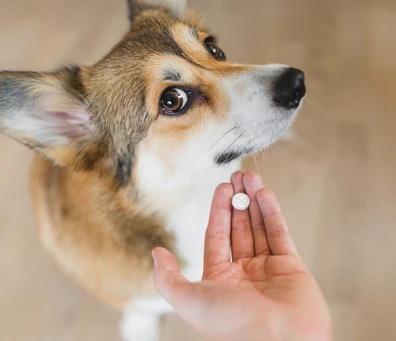
4. Formulation type: Pet probiotics come in powders, capsules, and chewable tablets. Powders are easy to mix with food, capsules allow precise dosing, and chews are ideal for picky eaters.
5. Brand reputation and testing: Choose reputable brands or those with third-party testing to ensure product safety and efficacy. Avoid products lacking clear ingredient lists or dosage information.
5. Proper Probiotic Administration
1. Timing: Give probiotics 2 hours after meals or mixed with food to prevent stomach acid from killing the bacteria.
2. Temperature: Probiotics are heat-sensitive. Ensure food is below 40°C (104°F) when mixing.
3. With antibiotics: If your dog is on antibiotics, administer probiotics at least 2 hours apart to prevent interference.
4. Dosage: For daily maintenance, 2–3 times per week may suffice. For digestive issues, follow product guidelines for 3–5 consecutive days.
5. Monitoring: If symptoms persist or worsen, consult a veterinarian immediately.
6. Probiotics in Different Situations
- Puppy weaning: Supplementing with Bifidobacterium can reduce stress-related digestive problems.
- Post-surgery recovery: Probiotics alongside antibiotics can shorten gut recovery by 3–5 days.
- Senior dogs: Multi-strain probiotics with prebiotics and antioxidants provide enhanced benefits.
- Allergic dogs: A combination of Lactobacillus and Bifidobacterium can help reduce the incidence of skin conditions like eczema.
7. Homemade Probiotic Treats
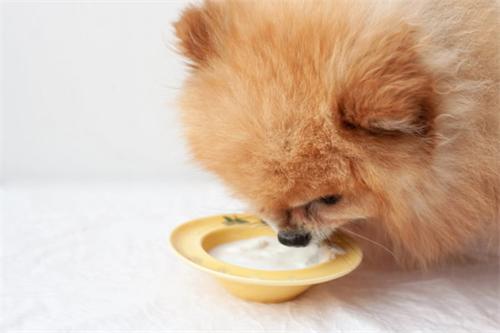
In addition to commercial products, pet owners can create safe, probiotic-rich foods at home:
1. Kefir:
Kefir is a fermented dairy drink with most lactose broken down during fermentation, making it suitable for many lactose-intolerant dogs.
- Add kefir grains to unsweetened whole milk and ferment at room temperature for 12–48 hours.
- Strain the grains and store the liquid in the refrigerator.
- Introduce in small amounts initially to avoid diarrhea, then gradually increase.
2. Probiotic Yogurt:
Use unsweetened yogurt and mix in dog-specific probiotic powder. Serve immediately.
3. Homemade Dog Meals with Probiotics:
Cook chicken breast, carrots, and brown rice. After cooling below 40°C, mix in probiotic powder and feed immediately to ensure bacterial viability.
8. Limitations of Probiotics
It’s crucial to understand that probiotics are supportive rather than a complete solution. Their role is supportive, helping maintain gut health and assisting in recovery. True long-term health depends on a balanced diet, regular exercise, proper routine, and regular veterinary check-ups. Probiotics are more like assistants for the gut rather than miracle solutions. If your dog exhibits severe diarrhea, vomiting, lethargy, or other alarming symptoms, prompt veterinary attention is essential.
Maintaining gut health is foundational for your dog’s overall wellness. Probiotics can play a crucial role in supporting microbial balance, aiding recovery from illness or stress, and enhancing daily digestive function. By selecting appropriate products, administering them correctly, and combining them with a healthy lifestyle and diet, owners can help ensure their dog’s “microbial city” remains orderly and thriving.
For every pet owner, learning to use probiotics scientifically is not just an investment in their dog’s health—it is a commitment to their happiness and quality of life. By understanding the nuances of gut health and providing targeted support, we give our dogs the foundation they need to thrive every day.
Recommend:
Practical Strategies for Exotic Pet Climate Control: Humidifiers, Dehumidifiers, and Thermoregulation
Freeze-Dried vs. Raw: Navigating the World of Premium Dog Treats

A Practical Handbook on Reptile Lighting: Installation, Replacement, and Light Cycles

Breed-Specific Nutrition: Tailoring Diets for Labradors, Persians, and More