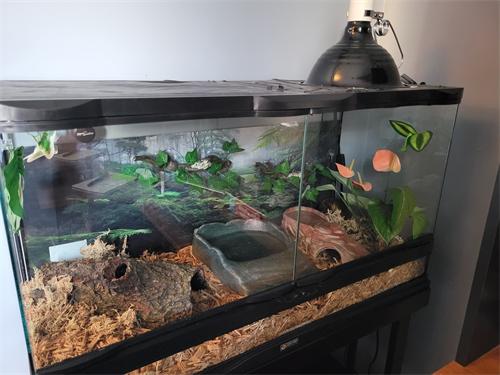
Unlike dogs or cats, whose basic needs can be met within the natural range of most human households, reptiles, amphibians, tropical birds, and many small mammals rely on highly specialized climates to survive and thrive. These conditions include carefully balanced temperature gradients, humidity levels, and seasonal fluctuations that mimic their native ecosystems. Without precision in these areas, exotic pets may face chronic stress, metabolic disorders, respiratory illnesses, skin conditions, or even premature death.
1. Why Climate Control Matters in Exotic Pet Care
Every species evolved within a specific climate niche. For example:
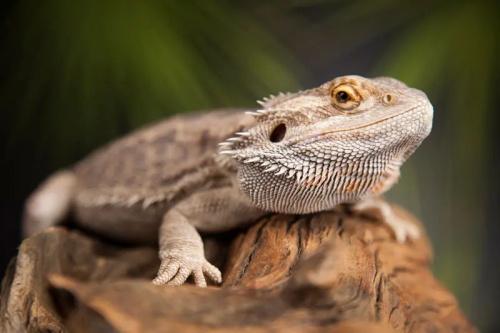
- Desert reptiles such as leopard geckos, bearded dragons, and uromastyx require low humidity (20–40%) and access to high basking temperatures (35–45°C), with cooler zones available for thermoregulation.
- Rainforest dwellers like green tree pythons, dart frogs, or Amazonian parrots thrive in high humidity (70–90%) and stable warm temperatures, with frequent misting or fogging to simulate rainfall.
- Temperate animals like hedgehogs, ferrets, and box turtles require moderate humidity (40–60%) and seasonal shifts in day length and temperature to regulate breeding and metabolic cycles.
If these environmental needs are neglected, exotic pets cannot regulate body processes such as hydration, digestion, molting, or immune defense. Research in herpetology and avian veterinary medicine shows that improper humidity alone is a leading cause of respiratory infections in reptiles and birds. Similarly, temperature mismanagement disrupts circadian rhythms, leading to poor feeding responses and weakened immunity.
In short, climate control is not a luxury—it is a biological requirement.
2. Core Principles of Exotic Pet Climate Management
Before diving into equipment and tools, it’s essential to understand the guiding principles:
a) Microclimate Simulation
Each enclosure should simulate the range of conditions found in the wild. For example, deserts are not uniformly hot and dry; they have cooler burrows and sometimes fluctuating nighttime temperatures. A good setup should include hot and cool zones, humid retreats, and basking spots.
b) Gradients Instead of Uniformity
Rather than keeping an entire tank at one temperature or humidity, provide gradients so the animal can self-regulate. This aligns with the principle of behavioral thermoregulation, where animals move between zones to balance internal temperature and hydration.
c) Monitoring and Automation
Human senses cannot reliably detect differences of 2–3°C or shifts of 5–10% humidity—yet these changes can be life-or-death for sensitive species. High-quality digital thermometers, hygrometers, and automated controllers are essential for accuracy.
d) Seasonal and Circadian Variation
Mimicking day/night cycles and seasonal shifts (photoperiod, rainfall simulation, brumation cues) is critical for breeding and long-term health. Programmable timers, dimmers, and misting systems allow keepers to recreate these natural patterns.
3. Tools for Humidity Control
a) Humidifiers
Humidifiers are indispensable for rainforest species and for animals that require regular shedding cycles.
- Ultrasonic Humidifiers: They work by breaking water into tiny droplets using ultrasonic waves, producing a visible cool mist that raises humidity levels quickly. This method consumes little electricity and delivers reliable moisture, but the water chamber needs to be rinsed and disinfected often to prevent the growth of mold or harmful microbes.
- Evaporative Humidifiers: Push air through a wet wick or filter. They are less prone to over-saturating the enclosure and provide more natural humidity increases.
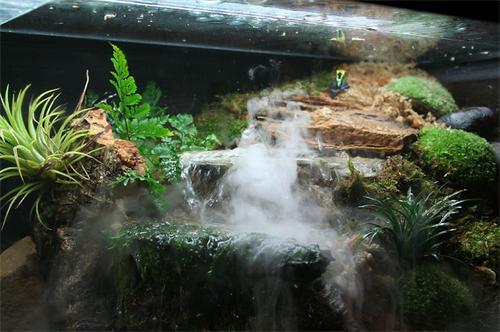
- Foggers: Often used in display vivariums, foggers create a cloud-like mist that replicates rainforest conditions. Ideal for arboreal amphibians like tree frogs.
Best Practice Tip: Position humidifiers outside the enclosure and pipe mist in through tubing when possible. This reduces electrical risks and prevents over-wetting substrate, which can lead to mold growth.
b) Misting Systems
Programmable misting units allow keepers to schedule fine water sprays throughout the day, creating moisture cycles that resemble natural rain events inside the enclosure. These are especially important for chameleons, anoles, and dart frogs, which often prefer drinking water droplets from leaves rather than standing water.
c) Manual Spraying
While labor-intensive, hand-misting is effective for small enclosures or species that need irregular moisture bursts. Always use dechlorinated or distilled water to avoid mineral buildup.
4. Tools for Dehumidification
For desert and savannah animals, excessive humidity is just as dangerous as too little. Respiratory infections, shell rot (in tortoises), and skin fungus (in geckos) often stem from poorly ventilated, overly damp habitats.
- Dehumidifiers: Small-scale electric dehumidifiers can be placed near enclosures in humid climates. These are particularly useful in basements or tropical regions where ambient humidity is naturally high.
- Ventilation Systems: Good airflow prevents humidity buildup. Mesh lids, fans, and strategically placed vents promote circulation.
- Desiccant Packs and Substrate Choice: Silica-based desiccants or dry substrates (e.g., sand, paper bedding) help absorb excess moisture.
Best Practice Tip: Always balance dehumidification with hydration needs. Even desert reptiles require localized humid hides to aid in shedding and hydration.
5. Thermoregulation Tools
a) Heat Sources
Different heating methods serve different species:
- Heat Lamps: Provide basking spots and visible light. Excellent for diurnal reptiles that rely on sunlight cues.
- Ceramic Heat Emitters (CHEs): Emit heat without light, ideal for nocturnal animals.
- Under-Tank Heaters (UTHs): Deliver belly heat for ground-dwelling reptiles like snakes and geckos. Must be paired with thermostats to prevent burns.
- Radiant Heat Panels: Evenly distribute infrared heat, useful for large enclosures.
b) Cooling Methods
In hot climates or during summer months, overheating can be fatal. Options include:
- Air Conditioning or Room Cooling: Best for households with multiple enclosures.
- Chillers and Cooling Fans: Used in amphibian setups that require lower temperatures (e.g., axolotls).
- Ice Bottles or Water Features: Temporary measures to reduce enclosure temperature.
c) Thermostats and Controllers
A reliable thermostat is the most critical piece of equipment for temperature regulation. Models range from simple on/off types to advanced proportional thermostats that maintain precise gradients.
Best Practice Tip: Always use multiple thermometers (digital probes, infrared guns) to measure conditions at various points in the enclosure.
6. Simulation Strategies by Habitat Type
a) Desert Environments
- Temperature: Create basking spots of 35–45°C, with cooler retreat zones around 24–28°C.
- Humidity: Maintain 20–40%, but provide localized moist hides for shedding.
- Tools: Ceramic heaters, heat lamps, dehumidifiers, sand or clay substrates, ventilated enclosures.
b) Tropical Rainforests
- Temperature: Keep stable at 26–30°C with slight nighttime drops.
- Humidity: Maintain 70–90% with misting cycles and foggers.
- Tools: Ultrasonic humidifiers, automated misting systems, radiant heat panels, live plants to assist in natural humidity retention.
c) Temperate Forests and Grasslands
- Temperature: 20–28°C, with seasonal adjustments.
- Humidity: Moderate (40–60%).
- Tools: Mixed heating (lamps + CHEs), occasional misting, ventilation fans. Seasonal lighting timers simulate day length changes.
d) Aquatic and Semi-Aquatic Habitats
- Temperature: Water maintained at species-specific levels (e.g., axolotls: 14–18°C, aquatic turtles: 24–28°C).
- Humidity: Naturally high due to water evaporation. Ventilation prevents mold.
- Tools: Water heaters or chillers, air pumps, UVB lighting for basking species.
7. Common Mistakes in Exotic Pet Climate Control
1. Over-reliance on room conditions: Household air conditioning or heating rarely provides suitable gradients for sensitive species.
2. Using inaccurate equipment: Cheap analog thermometers and hygrometers often misread by 10–20%. Invest in digital, calibrated tools.
3. Over-misting: Leads to stagnant air and bacterial growth. Balance misting with airflow.
4. Ignoring nighttime drops: Many species benefit from cooler nights, which stimulate natural behavior.
5. Poor equipment maintenance: Dirty humidifiers and clogged filters are breeding grounds for pathogens.
8. Professional Recommendations
- Automation: Use timers, thermostats, and humidistats to remove human error and ensure consistency.
- Redundancy: Always have backup thermometers and a spare heating element. Equipment failures can be fatal within hours.
- Integration: Modern reptile controllers combine heating, humidity, and lighting management into one system, making complex habitats easier to maintain.
- Veterinary Collaboration: Regular checkups with exotic veterinarians can help identify subtle health issues caused by environmental mismanagement.
9. Future Directions in Climate Control Technology
Recent advancements point toward smart climate control systems connected to mobile apps. These allow keepers to monitor enclosures in real time and receive alerts when parameters drift outside safe ranges. In zoological institutions, AI-driven climate simulations are already being used to replicate seasonal rainfall, wind, and even barometric pressure—factors that influence breeding cycles. As these technologies become more affordable, private keepers will have unprecedented precision in replicating natural ecosystems.
Conclusion
The key is not simply achieving one fixed number for temperature or humidity, but providing dynamic gradients and naturalistic variation that allow animals to engage in their full range of behaviors. With careful planning, the right equipment, and ongoing monitoring, every exotic pet keeper can create a safe, healthy, and biologically accurate home for their animals.
Recommend:
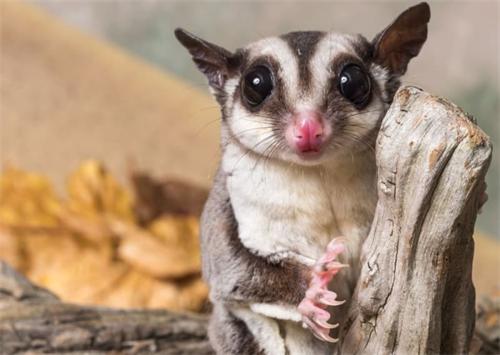
Understanding Sugar Glider Social Needs: Risks of Solitary Housing and Step-by-Step Pairing Protocols
The Complete Guide to Parrot Enrichment: Safe Toys, Training Techniques, and Social Strategies
Designing Secure Habitats for Exotic Pets: Tailored Solutions for Digging, Climbing, and Chewing Behaviors
Welcoming Birds to Your Garden: Five Proven Methods for Year-Round Attraction