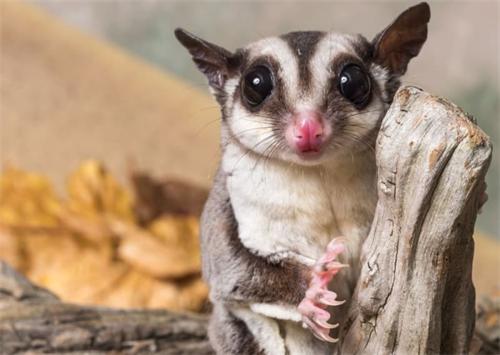
With their large, round eyes, tiny furry paws, and the extraordinary ability to glide between trees, sugar gliders have quickly risen to the status of “dream pets” in the eyes of many exotic animal enthusiasts. However, their irresistibly cute appearance hides a far more complex reality when it comes to proper care. From diet and housing to emotional well-being, the threshold for responsible ownership is much higher than most people imagine. Among all these challenges, one of the most critical aspects is their strong social needs. If these are ignored, it can lead not only to severe health issues but also to ethical concerns surrounding animal welfare.
1. Basic Physiology and Lifestyle of Sugar Gliders
The sugar glider (Petaurus breviceps) is a small marsupial native to eastern Australia, Papua New Guinea, and surrounding islands. Adult body length is typically around 12–13 centimeters, with the tail adding another 20–30 centimeters in length. Their most distinctive feature is the gliding membrane (patagium) that stretches from the forelimbs to the hind limbs, allowing them to soar gracefully from tree to tree like a tiny “flying squirrel.”
As arboreal animals, they rely on their powerful hind legs for leaping and their long tail for balance and steering. They are strictly nocturnal: during the day they rest in tree hollows or nest pouches, emerging only at night to forage and interact. This natural rhythm often clashes with human daily schedules, presenting unique challenges for keepers.
In the wild, sugar gliders usually live for 4–5 years. Under optimal conditions in captivity, however, their lifespan can extend to 12–15 years. This longevity means that owning a sugar glider is not a short-term commitment but a long journey of over a decade that requires consistent and careful attention.
2. Daily Husbandry Requirements: Diet and Environmental Management
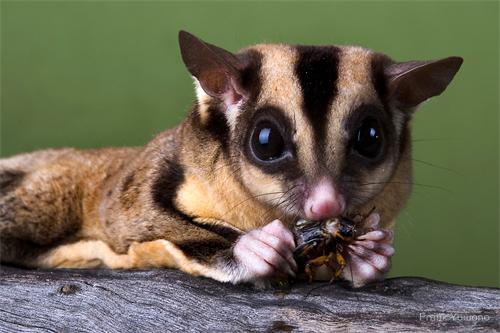
Sugar gliders are omnivorous, with a wild diet consisting of insects, nectar, and a wide variety of fruits. In captivity, dietary balance is the cornerstone of their health. Poorly designed feeding plans frequently result in metabolic bone disease, obesity, or gastrointestinal disorders.
2.1 Dietary Composition
- Animal protein (approx. 30%): feeder insects such as mealworms and crickets, or small amounts of cooked chicken breast.
- Fruits and vegetables (approx. 50%): papaya, mango, figs, melon, blueberries, and other fresh produce.
- Nectar and energy sources (approx. 20%): nectar substitutes, carefully measured honey, or specialized sugar glider dietary supplements.
One critical factor is maintaining a calcium-to-phosphorus ratio of about 2:1, which is essential for bone strength and skeletal development. Nutritional needs also fluctuate with life stages and seasons, requiring owners to make timely adjustments.
2.2 Dietary Restrictions and Cautions
Certain foods are outright dangerous and must be strictly avoided: avocado, chocolate, onion, garlic, and processed human snacks. For joeys (young gliders), lactose-free milk replacers should be used if hand-feeding is necessary, since normal milk can cause diarrhea. Freshness is crucial; uneaten food should be replaced at least every 48 hours to prevent spoilage.
2.3 Environmental Needs
The optimal temperature range for sugar gliders is 24–28°C (75–82°F). Housing should be tall rather than wide, at least one meter in height, equipped with climbing branches, hammocks, ropes, and pouches to simulate natural movement and gliding opportunities.
Bedding should consist of safe materials such as fleece or clean leaves, rather than wood shavings, which can trigger respiratory problems. Seasonal adjustments—heating in winter, cooling in summer—are often necessary. If other household pets such as cats or dogs are present, strict separation is vital to prevent accidents or chronic stress.
3. Common Health Risks and Veterinary Limitations
Despite their small size, sugar gliders are far from “easy pets.” They are vulnerable to bacterial infections such as Salmonella, parasites, and other conditions, some of which are zoonotic (transmissible to humans). Children and elderly individuals are particularly susceptible.
Another serious problem lies in the scarcity of qualified exotic animal veterinarians. Many owners find themselves helpless when their glider develops gastrointestinal issues, eye infections, or signs of malnutrition. Even routine checkups can be stressful for gliders, as their sensitive nature makes them prone to shock during handling or travel. This means that proactive prevention and close observation at home are often the best strategies.
4. The Risks of Solitary Housing: Loneliness and Behavioral Disorders
Sugar gliders are highly social marsupials. In the wild, they commonly live in colonies of 10–12 individuals, engaging in constant grooming, vocal communication, and cooperative nesting. This social dependency is deeply ingrained in their biology.
When kept alone, sugar gliders can suffer devastating psychological consequences:
- Self-mutilation: obsessive over-grooming, fur pulling, or even biting themselves.
- Anorexia or food refusal: losing appetite due to stress and isolation.
- Disruptive nocturnal behaviors: incessant cage chewing, vocal distress calls, and hyperactivity that also interfere with the owner’s rest.
While housing multiple gliders together is the humane choice, it introduces new challenges. Limited space or incompatible personalities may lead to fighting, sometimes resulting in serious injury. Male gliders, in particular, exhibit strong territorial behaviors and scent-marking, which complicates cohabitation.
Thus, keeping sugar gliders in at least pairs is widely regarded as the minimum standard, but it requires a careful and scientific approach to pairing.
5. Step-by-Step Pairing and Breeding Management
Sugar gliders belong to the infraclass Marsupialia, and their reproductive biology differs significantly from placental mammals like cats or dogs. Males possess a bifurcated penis, while females have two uteri. Pregnancy is extremely short—only about 16 days. The tiny joey, barely 1 gram at birth, must crawl into the mother’s pouch to continue development.
5.1 Step-by-Step Pairing Protocol
1. Scent Introduction (Separation Phase)
Place two gliders in separate cages near each other. Allow them to become familiar through scent and vocalizations without direct contact.
2. Supervised Meetings (Controlled Contact)
Gradually allow short, closely monitored interactions in neutral territory. Any sign of aggression should be interrupted immediately.
3. Permanent Cohabitation
Once mutual tolerance is observed—no lunging, biting, or dominance displays—move them into the same enclosure with multiple feeding and nesting options to minimize competition.
5.2 Breeding and Rearing
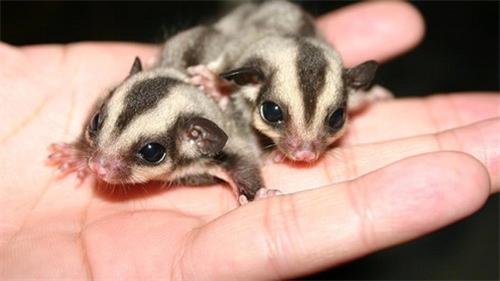
Female sugar gliders typically give birth to 1–3 joeys per litter. The neonates are nearly transparent and continue pouch development for about 70 days. After emerging, they start nibbling on solid food around 20 days, but still depend on their mother for warmth and milk.
During this sensitive stage, owners should:
- Increase maternal protein intake (chicken breast, insects).
- Offer appropriate milk replacers for joeys after they emerge.
- Minimize handling and avoid stress, as disturbed mothers may reject or even harm their offspring.
Joeys are usually fully weaned by around 110 days. However, if the mother dies or abandons them prematurely, artificial rearing is extremely difficult and often unsuccessful, underscoring the importance of maternal care.
6. Husbandry Challenges and Ethical Reflections
Many people are drawn to sugar gliders impulsively because of their charming looks, without fully understanding the complexity of their care. Common difficulties reported by owners include:
- High financial costs: specialized diets, live insects, heating/cooling equipment, and exotic veterinary bills.
- Lifestyle disruptions: nocturnal activity, loud vocalizations, and strong scent marking.
- Limited medical support: few veterinarians trained in exotic marsupials.
- Ethical concerns: solitary housing that leads to self-harm, or inadequate care due to lack of preparation.
These challenges highlight the responsibility required. Keeping sugar gliders is not a hobby for casual pet owners but a serious long-term commitment.
7. Conclusion: The Importance of Responsible Ownership
Behind the sugar glider’s adorable appearance lies a creature with demanding social, dietary, and environmental needs. As colony animals, they require companionship; as exotic pets, they need specialized veterinary care and consistent attention. Without adequate knowledge, financial stability, and long-term dedication, ownership can result in unnecessary suffering for both the animal and the keeper.
A pet is not a toy. It is a living being whose welfare depends entirely on its human guardian. True love for animals means more than indulging in cuteness—it means accepting the responsibility of providing for their complex needs throughout their entire lives.
Recommend:
Designing a Scientific Hamster Habitat: Safe, Enriched, and Behaviorally-Appropriate Spaces
Advanced Marine Aquarium Maintenance: Water Quality, Coral Health, and Ecosystem Management
Practical Strategies for Exotic Pet Climate Control: Humidifiers, Dehumidifiers, and Thermoregulation

Scientific Insights into Cat Diets: Tailoring Nutrition by Age, Breed, and Health Condition