
In today’s approach to cat care, diet is no longer just about “filling the stomach.” It has become a core factor closely tied to longevity, health, and quality of life. With the advancement of pet nutrition science, freeze-dried food, probiotics, and urinary health–specific formulas have entered the homes of more and more cat owners.
However, no feeding method is flawless, nor does an absolute “best” diet exist. The truly scientific approach is to choose a dietary structure suited to the cat’s individual differences, the household environment, financial considerations, and veterinary advice.
Freeze-Dried Food: The Advantages and Risks of High-Protein Diets
1. Dual Benefits of Nutrition and Palatability
Freeze-dried food has quickly risen in popularity within the pet market in recent years. Using low-temperature vacuum dehydration, it removes water from meat while retaining its natural flavor and nutrients. Compared to extruded dry kibble, freeze-dried foods often contain over 60% animal protein (on a dry matter basis) and keep carbohydrates below 10%, aligning perfectly with cats’ carnivorous nature.
The market offers a wide range of options, including chicken, beef, lamb, and various fish. This variety not only caters to cats’ taste preferences but also ensures a diverse supply of amino acids and trace minerals. For picky or sensitive eaters, freeze-dried food often works as an effective appetite booster.
2. Supporting Hydration, Reducing Urinary Risks
Cats generally drink too little water, with unneutered males especially prone to urinary tract problems. Freeze-dried food has the added advantage of boosting hydration when reconstituted.
When mixed with water at under 40°C in a 1:1 ratio, it regains a near-fresh-meat texture and helps cats rehydrate naturally while eating. This characteristic plays an important role in preventing urinary crystals, stones, and even chronic kidney disease.
3. Feeding Precautions
Despite its dense nutrition, not every cat adapts immediately. Kittens under three months old, with still-developing digestive systems, should not eat freeze-dried pieces dry; soaking in warm water is recommended.
Transitioning should be gradual: start with 25% freeze-dried replacing the current food on day one, monitoring stool and energy, then increase over 7–10 days. If diarrhea or vomiting occurs, reduce the proportion or pause the transition.
4. Nutritional Risks and Selection Tips
Not all freeze-dried products meet nutritional standards. A 2023 spot check revealed that 35% of products fell short of ideal nutrient ratios. Quality freeze-dried foods should maintain a calcium-to-phosphorus ratio of 1:1 to 2:1, with adequate taurine and essential amino acids.
Always review third-party lab reports and avoid vague ingredient terms like “animal by-products” or “meat meal.” Prioritize products specifying meat sources such as “chicken” or “beef.”
5. Adjustments for Special Cats
- Kittens: Higher-protein formulas to support rapid growth
- Senior cats: Increase hydration ratio (1:1.5) to protect kidneys
- Cats with kidney disease: Choose low-phosphorus options under veterinary supervision
- Exclusively freeze-dried diets: Require biannual checkups for calcium and urinary health; poor feeding practices may raise urinary disease risks by 28%
Probiotics: The Silent Guardians of Gut Health
1. The Importance of Gut Microbiota
A cat’s digestive system is home to an enormous community of microorganisms. These microbes interact in a dynamic balance, with helpful species keeping potentially harmful ones in check. Beyond aiding in food breakdown, this microbial environment also plays a vital role in shaping the immune system, influencing metabolic processes, and even affecting overall behavior and well-being. Once disrupted, it may lead to soft stools, diarrhea, vomiting, or weakened immunity.
2. When to Use Probiotics
Healthy cats don’t usually need long-term probiotics, but they can help in cases such as:
- Irregular stools (constipation or diarrhea)
- Picky eating or poor appetite
- Frequent vomiting
- Indigestion
3. Proper Use and Common Misconceptions
Probiotics are not a cure-all, nor does “more” mean “better.”
- Mild diarrhea: 5–7 days is often enough
- Chronic enteritis or IBS: May require 2–4 weeks
- High relapse rate from early discontinuation: About 68% of cases worsen after premature withdrawal
It’s best to continue probiotics for 3 days after symptoms improve to consolidate results. Follow product dosing instructions strictly—excess can harm gut balance.
4. Individual Differences and Monitoring
Cats respond differently: some improve in days, others take longer. Start with small doses and adjust based on activity, appetite, and stool condition. Even after discontinuation, owners should continue monitoring stool consistency, frequency, and overall vitality.
5. Nutrition First
Probiotics are supportive only. Long-term gut health depends on a balanced diet—freeze-dried complete meals, canned food, or properly formulated homemade diets are key for nutrient absorption and immune resilience.
Urinary Health: The “Silent Threat” to Cats
1. The Dangers of Dehydration
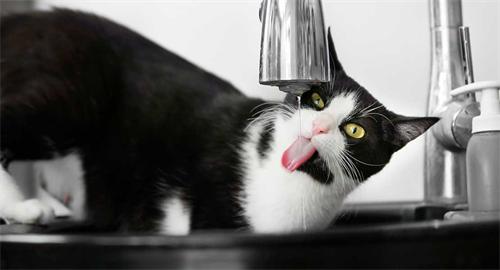
Cats’ kidneys are fragile and rely on hydration to filter waste. Adult cats need about 50–60 ml/kg of water daily, and even more (over 100 ml/kg) when fed primarily dry kibble. Insufficient water leads to concentrated urine, crystal formation, and higher risks of cystitis, urethritis, and eventually chronic renal failure.
2. Common Types of Crystals and Stones
- Struvite (magnesium ammonium phosphate): 50–60%, common in alkaline urine (pH > 7.0), linked to excess magnesium, phosphorus, and ammonium ions
- Calcium oxalate stones: 20–30%, form in acidic urine (pH < 6.0), often tied to high urinary calcium or oxalate-rich foods (e.g., spinach)
Together, these two types account for 80% of feline lower urinary tract disease cases.
3. Early Warning Signs for Owners
- Urinating too frequently or too briefly
- Frequent litter box trips with reduced output
- Smaller clumps, sometimes with blood
- Straining, pain, or vocalizing while urinating
These may indicate narrowing or blockage of the urethra. Early detection and vet care are essential to prevent escalation.
4. Testing and Diagnosis
At home, urine dipsticks can check pH, leukocytes, and proteins, but results vary with sample handling. Clinical diagnosis usually requires cystocentesis, centrifugation, and microscopic analysis.
Smart Hydration: Tips to Make Cats Drink More
- Wet food substitution: Replace part of dry food with canned or homemade meals (70–80% water). For example, shift from three dry meals to “two dry, one wet.”
- Multiple water points: Place bowls in living spaces, near climbing trees, or by beds to make water always accessible.
- Fountains: Flowing water attracts cats, with many more willing to drink when lured by movement and sound.
Homemade vs. Commercial Cat Food
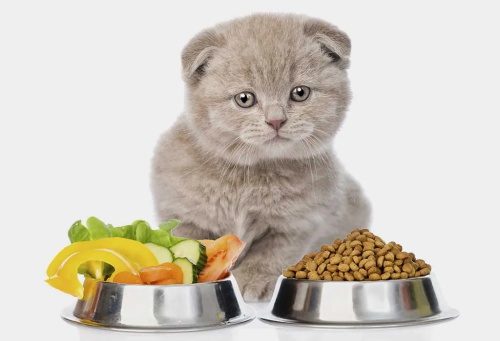
1. Advantages of Homemade Diets
- Full control over ingredient quality, avoiding additives
- Customizable to the cat’s needs
- Reduced allergy risks
- When formulated under veterinary guidance, can precisely meet nutritional requirements
2. Drawbacks of Homemade Diets
- Poorly balanced recipes can cause deficiencies
- Time-consuming preparation
- Higher contamination risks, requiring strict hygiene
- Quality ingredients can be costly
3. Benefits of Commercial Food
- Scientifically formulated and balanced
- Available for different ages, breeds, and health needs
- Dry kibble is convenient to store and feed
However, some commercial foods include preservatives or grain fillers, unsuitable for cats with sensitivities. Owners should read labels carefully and prefer grain-free or low-grain, high-protein options.
Scientific Feeding Starts with Observation
Scientific feeding isn’t simply about choosing freeze-dried vs. kibble, or whether to add probiotics. What matters most is mindful observation:
- Does your cat eat happily?
- Are they relaxed while drinking?
- Is urination and defecation regular?
Cats don’t speak, but their bodies and routines communicate volumes. Every carefully prepared meal is a silent dialogue between owner and cat. True scientific feeding is not about chasing the “perfect diet,” but about understanding, patience, and consistent care.
Recommend:

The New Family Dynamic: How Pets Are Redefining Relationships in an Atomized Society
Practical Strategies for Exotic Pet Climate Control: Humidifiers, Dehumidifiers, and Thermoregulation

The Hidden Signs of Pet Stress: Is Your Home Environment Affecting Them?

Breed-Specific Nutrition: Tailoring Diets for Labradors, Persians, and More