With the accelerating pace of urbanization and internet penetration surpassing 80%, the atomization of society has become an undeniable reality. Life is fragmented into countless pieces: blurred boundaries between work and personal life, increasingly distant neighborhood ties, and the disintegration of traditional communities. An “atomized society” means that each individual exists like an isolated atom, enclosed in a self-contained world, lacking stable emotional bonds and long-term social relationships. Amid these rapid and dramatic social transformations, traditional community-based values and institutional frameworks are facing profound challenges. In this context, pets have unexpectedly become an emotional anchor for many people.
Pets and Solitary Living: Emotional Anchors in Loneliness
As the number of people living alone continues to grow, more individuals are choosing pets as companions. Living alone does not necessarily mean being lonely, but as traditional modes of human connection fade, people often fall into a state of social isolation. In such circumstances, the companionship of pets becomes particularly vital. They not only fill the gaps left by thinning human connections but also provide a buffer against the alienation of urban life.
This reliance on pets is not limited to companionship—it also involves significant economic investment. From food and healthcare to grooming and entertainment, owners are willing to spend generously for the sake of this bond. In this way, pet ownership not only fulfills emotional needs but also fuels the prosperity of the pet economy.
The Transformation of Family Structures and the Role of “New Kin”
The modernization of family structures has granted pets new social significance in the lives of small households and single young adults. With the decline of extended family models and the rise of individualistic, nuclear households, pets are no longer seen as mere “accessories,” but as genuine family members.
For some, pets symbolize “new kin,” forming long-term and stable bonds of mutual dependence. For others, they serve as “stand-in family members,” filling the emotional void created by delayed marriage and parenthood. Owners assume caregiving responsibilities and extend emotional attachment into forms of consumption—pet supplies, veterinary services, even ceremonial events like birthdays and anniversaries that mirror human family traditions.
The Interweaving of Emotion and Market
When emotional needs intersect with market forces, new industries inevitably emerge. In the past, pet care focused on basic needs such as food and essential treatment. Today, however, consumption has expanded into preventive healthcare, specialized diets, and even psychological well-being.
For instance, many owners now prioritize preventive health management, including genetic testing and mental health support. In nutrition, organic and diversified foods reflect a pursuit of “quality living.” Services like pet spas, grooming, and even funeral rituals are increasingly common. These trends highlight not only the growing social role of pets but also how consumerism and emotional demands reinforce one another.
Pets Versus Human Relationships
Human relationships in modern society often involve complex emotional negotiations. Friends must “keep conversations flowing,” colleagues need to “maintain proper boundaries,” and family members avoid “sensitive topics to prevent conflict.” Romantic partners seek rituals of intimacy, friends expect quick responses, and workplace interactions revolve around emotional value exchange.
Such “invisible rules” weigh heavily on people, often leading to “emotional labor fatigue.” By contrast, relationships with pets are refreshingly simple. Pets don’t cause anxiety with “seen but unanswered messages,” nor do they calculate affection in terms of “cost-effectiveness.” To them, the mere presence of their owner is reason enough to give love. This unconditional connection offers a deeply healing emotional experience.
Psychological studies show that petting an animal reduces cortisol levels and boosts oxytocin, much like the effect of a human hug. In this sense, pets act as “stabilizers” in human emotional lives.
A Buffer Against Anxiety Through Being Needed
The pressures of social media and fast-paced lifestyles have deepened people’s reliance on pets. Many channel their affection into pet care as a way to alleviate everyday social anxiety. The sense of being needed and depended upon by a pet helps ease the existential anxiety that arises in an atomized society.
Surveys show that 62% of young pet owners consider their pets “family,” while 35% describe them as “emotional stabilizers.” In some cases, people admit to being more emotionally dependent on pets than on romantic partners. Companionship, in this sense, is not only a form of emotional investment but also a psychological self-defense mechanism, offering individuals resilience against the uncertainties of human relationships.
Pet Transference Therapy and Self-Redemption
In psychology, the concept of “pet transference therapy” describes the projection of human emotions onto pets. Through caregiving, individuals often fulfill unmet emotional needs, finding healing and rebuilding self-worth in the process.
Living with pets allows people to gradually overcome psychological struggles. Their loyalty and companionship act like a beam of light, illuminating hidden corners of the human heart. The cycles of birth, aging, and death in pets confront owners with the fragility of life, prompting reflection on its meaning. As Japanese writer Kotaro Isaka noted, “Pets teach us that love means accepting even the flaws.”
The Reshaping of Urban Spaces
The rising social status of pets has also reshaped urban environments. Office buildings now include pet restrooms, shopping districts boast pet bakeries, and some companies allow employees to “bring pets to work.” Such initiatives underscore pets’ growing importance in city life while subtly rewriting urban norms and structures.
At the same time, pets have become a new medium for human socialization. Young people meet new friends as “dog-walking buddies,” while pet videos dominate social media traffic. This pet-centered socializing reveals both a craving for connection and a reconfiguration of human relationships in an atomized society.
Love in Its Purest Form
Importantly, keeping pets does not mean people abandon human relationships. Instead, it can be understood as “saving love” in another form. Many who have been hurt in human interactions rediscover trust in love through pets.
Pets help people relearn the value of “unconditional connection.” Caring for them nurtures responsibility and empathy, which often translates into more mindful human interactions. As many pet owners confess, “After living with a cat, I learned to treat people more gently.” This process of relearning love is, in essence, a return to emotional purity.
Protecting Purity in a Complicated World
While AI companions are still striving to master micro-expression recognition, the warmth of living creatures has already secured an irreplaceable place in urban life. Pets are not only part of the household but also vital mediators in the reconstruction of emotional bonds in modern society. Their companionship and loyalty help people resist loneliness, heal emotional wounds, and regain the courage to love.
This quiet social revolution centered on furry companions ultimately responds to an ancient, timeless question: In a fragmented world, how can we mend broken emotional connections with warmth? Perhaps the answer lies in the gentle warmth of a pet’s body, the purity of its gaze, and the unwavering loyalty of its companionship.
Recommend:
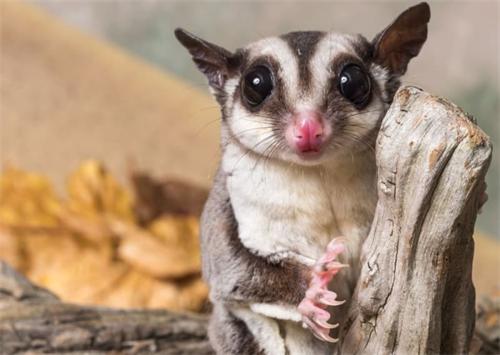
Understanding Sugar Glider Social Needs: Risks of Solitary Housing and Step-by-Step Pairing Protocols
Practical Strategies for Exotic Pet Climate Control: Humidifiers, Dehumidifiers, and Thermoregulation
Scientific Insights into Cat Diets: Tailoring Nutrition by Age, Breed, and Health Condition
The Hidden Signs of Pet Stress: Is Your Home Environment Affecting Them?