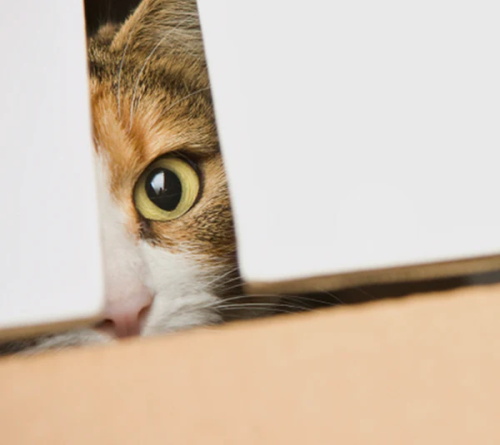
Many people treat their pets as part of the family, giving them love and care. But have you ever noticed that, like humans, pets can also experience emotional stress—or even “emotional disorders”? Unlike humans, pets cannot express their feelings through words, so their mental states are often overlooked. However, pets’ emotional problems are not without signs; they usually have complex underlying causes.
How the Home Environment Affects Pet Stress
1. Insufficient Time with Owners
With the pace of modern life accelerating, many pet owners are out early and home late, busy with work and daily tasks, leaving little time to spend with their pets. Pets left alone for long periods can feel lonely and neglected, gradually accumulating psychological stress that may manifest as depression or anxiety.
For example, many dogs and cats spend hours confined to a small space while their owners are away, watching the door expectantly. Day after day, this loneliness can erode their emotional well-being, sometimes leading to abnormal behaviors such as excessive barking or meowing, destructive habits, or loss of appetite.
2. Changes in Living Environment
Moving, boarding, home renovations, or rearranging furniture can disrupt a pet’s sense of security. Pets rely heavily on familiar surroundings, and sudden changes can make them anxious. Cats, in particular, are highly sensitive and territorial; being moved to a new home with unfamiliar smells and layouts can cause stress, nervousness, loss of appetite, or inappropriate urination.
Dogs also need time to adapt. If their living space is cramped, noisy, or unhygienic, or if temperature and humidity are unsuitable, they may feel uncomfortable and stressed. During such times, owner support is crucial—through reassurance and interaction, pets can gradually regain a sense of security.
3. Tense Household Atmosphere
Pets are highly attuned to their owners’ emotions. Frequent arguments or loud environments can create anxiety and fear in dogs, cats, or even parrots. In tense households, dogs may become timid, hiding at sudden noises, while cats may over-groom or display aggression. Chronic tension not only affects pets’ mental well-being but may also harm their physical health.
4. Sudden Frightening Events
Loud, unexpected noises—like fireworks or thunder—or the sudden appearance of strangers or other animals can trigger stress in pets. A scared pet may show personality changes, such as a previously playful dog becoming timid, or defensive aggression as a protective response.
5. Interactions with Other Pets
In multi-pet households, relationships among pets can also be a source of stress. Introducing a new pet or visiting social settings can provoke anxiety if interactions are tense. For example, two incompatible cats may fight frequently, keeping both in a high-stress state, which can negatively affect their mental and physical health.
How Different Pets Show Stress
Dogs
Dogs often appear friendly and affectionate, but they are naturally alert, social animals, sensitive to environmental and emotional cues, and prone to accumulating stress.

- Lack of exercise: Dogs need sufficient physical activity to release energy. Long periods indoors without exercise can cause boredom, frustration, and stress buildup.
- Environmental stress: Noisy, cramped, or unhygienic spaces, or inappropriate temperature and humidity, can make dogs uncomfortable.
- Household tension: Dogs detect family members’ emotions and may become anxious or fearful. Long-term exposure can reduce appetite and trigger behavioral problems.
- Adaptation to new environments: Moving or entering unfamiliar surroundings makes dogs highly alert and insecure, possibly leading to loss of appetite, aggression, excessive barking, or destructive behavior. Owners can help by offering reassurance, companionship, and positive reinforcement.
- Stress-related physical problems: Chronic stress may affect the digestive system, causing diarrhea or vomiting. Severe stress can lead to self-injury, such as excessive licking or chewing, resulting in dermatitis or hair loss.
Cats
Despite their independence, cats are also affected by emotional stress. Relationships with family members or other cats can be sources of tension.
- Excessive attention: Forcing cats into too much interaction when they want solitude can cause distress. Respecting their independence helps reduce stress.
- Inter-cat dynamics: Not all cats get along; long-term coexistence with incompatible cats may generate tension. Providing individual spaces and multiple litter boxes ensures autonomy.
- Comfortable environment: Cats value cleanliness and quiet; clean food and water bowls and a calm environment help maintain psychological balance. Scratching posts or other outlets for natural behaviors can relieve stress.
- Behavioral signs: Over-grooming, bald spots, redness, sudden changes in appetite, aggression, or unusual quietness can indicate stress. Inappropriate urination may signal territorial marking for security.
Parrots
Birds may appear less emotionally complex, but parrots are highly sensitive to their environment and owners’ moods. They cannot speak to express stress and rely on behavior to signal discomfort.
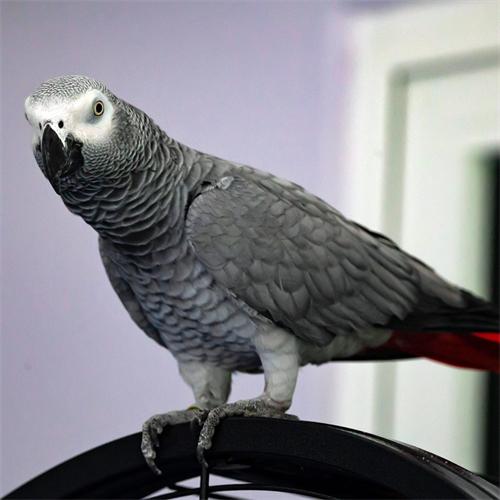
- Feather plucking and biting: Parrots may pluck feathers or chew feet when stressed. Over 75% of these behaviors are linked to insufficient activity or environmental enrichment. Providing varied perches and interaction time is essential.
- Eating and sleeping problems: Sudden overeating or refusal to eat may indicate stress. Budgerigars under stress often experience digestive issues. Normal sleep is 8–10 hours; frequent nighttime waking or daytime lethargy warrants attention.
- Behavioral anomalies: Continuous screaming over two hours may indicate anxiety, while sudden silence may signal depression. Repetitive flying or mechanical chewing resembles compulsive behaviors. Previously gentle parrots may become aggressive when stressed.
Effective Ways to Relieve Pet Stress
1. Increase companionship: Regardless of a busy schedule, spend daily time playing, walking, or interacting with your pets to help them feel loved and secure.
2. Provide a comfortable environment: Keep living spaces clean, regularly maintain bedding, food, and water bowls, and ensure a safe, comfortable home. Provide enough space and toys, maintain appropriate temperature and humidity, and minimize noise.
3. Use positive reinforcement: Reward good behavior with treats, toys, or gentle praise. This encourages confidence, reduces anxiety, and promotes good habits.
4. Monitor behavioral changes: Pay attention to eating, sleeping, and behavioral patterns. Signs like over-grooming, excessive barking, appetite changes, or self-injury should prompt investigation or veterinary consultation.
5. Respect individual differences: Different pets have different needs. Cats require independence, dogs need exercise, and parrots need interaction and activity space. Tailoring care to each pet reduces stress effectively.
Conclusion
Pets’ mental health is closely linked to the home environment. Lack of companionship, environmental changes, household tension, sudden fright, and inter-pet conflicts can all contribute to stress. Different pets show stress differently: dogs may show aggression or appetite issues, cats may over-groom or urinate inappropriately, and parrots may pluck feathers, scream, or engage in repetitive behaviors.
Key strategies to alleviate stress include spending time with pets, creating a comfortable and safe environment, monitoring behavioral changes, using positive reinforcement, and respecting individual needs. With careful, scientific, and patient care, we can provide pets with a stable and secure home, allowing them to grow healthy and happy.
Pets are not just family members—they are emotional companions. Understanding their stress and needs is every owner’s responsibility. Paying attention to pets’ mental health not only improves their quality of life but also strengthens the bond between pet and owner.
Recommend:
A Practical Handbook on Reptile Lighting: Installation, Replacement, and Light Cycles
Advanced Marine Aquarium Maintenance: Water Quality, Coral Health, and Ecosystem Management
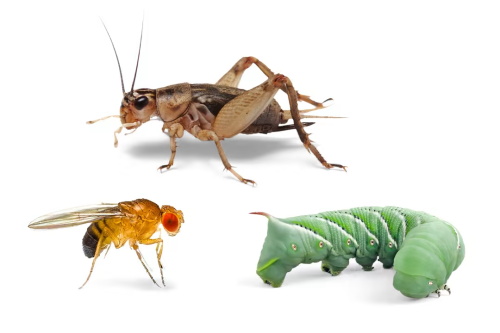
Breeding and Managing Live Feed: Techniques for Crickets, Fruit Flies, and Worms
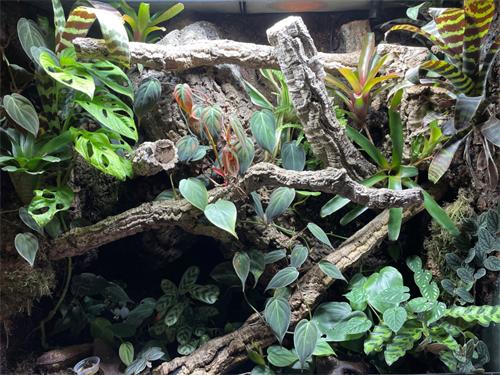
Designing Sustainable Habitats: Integrating Clean-Up Crew, Circulation, and Natural Vegetation