When keeping reptiles and other exotic pets, it is not enough to provide them with the right temperature, humidity, and spatial environment. A reliable food supply is equally essential. Unlike common household pets such as cats and dogs, most reptiles and exotic species require live prey as their main nutritional source. Even herbivorous or primarily plant-based species, such as ornamental turtles, may benefit from the occasional addition of live feed like freshwater shrimps or small snails. These supplements not only diversify their diet but also encourage natural hunting instincts, making feeding more enriching and stimulating.
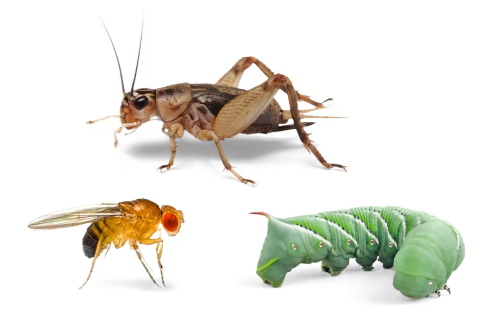
Among the many types of live feed available, crickets, wingless fruit flies, and mealworms are by far the most popular and practical choices. They are relatively easy to breed, inexpensive to maintain, and suitable for meeting the nutritional needs of different reptiles at different life stages.
I. Cricket Rearing and Management
1. Diet and Feeding Methods
In the wild, crickets usually feed on tender shoots, young leaves, and root systems of plants. In captivity, they readily adapt to a wide range of foods. A practical diet includes crushed wheat bran, breadcrumbs, and even commercial dry feeds like cat food, dog food, fish pellets, or turtle pellets. These are easy to obtain and provide a broad spectrum of nutrients.
To ensure hydration and vitamin intake, fresh vegetables such as carrots, cabbage, or sweet potato slices can be added. These options are less likely to spoil quickly and therefore reduce the risk of bacterial growth. For drinking water, shallow dishes with moist cotton pads are recommended. This method supplies sufficient water while preventing drowning accidents—a common issue when open water dishes are used.
Since crickets are nocturnal, their activity peaks in the evening and nighttime hours. Therefore, offering food at dusk aligns better with their natural behavior and encourages consistent feeding.
2. Housing and Environmental Setup
The ideal housing container should have smooth interior walls and moderate height to prevent crickets from escaping. Glass tanks and large plastic bins (storage boxes) are commonly used. If the container is relatively shallow, a fitted lid with ventilation holes is required to ensure airflow while preventing escapes.
For substrate, materials such as coconut fiber, sand, or newspaper can be used. These provide some comfort and make cleaning easier. However, excessive humidity must be avoided, as dampness encourages mold and bacterial growth. Among all options, wood shavings are often preferred because they absorb both moisture and odors, keeping the environment hygienic.
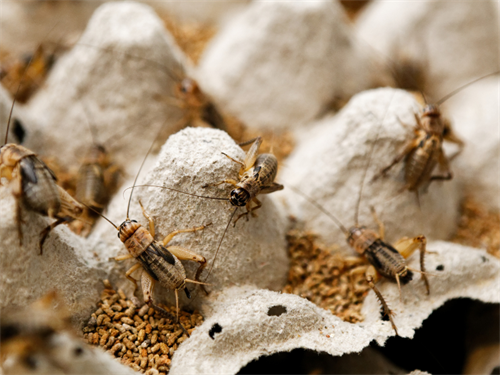
Egg cartons (the cardboard holders used for storing chicken eggs) are particularly useful in cricket breeding setups. They increase the vertical surface area, giving crickets more hiding spots and reducing overcrowding, which in turn lowers fighting and mortality rates.
3. Breeding and Egg Incubation
When female crickets develop visibly swollen abdomens, it usually signals that they are ready to lay eggs. At this stage, a plastic container filled with 3–4 centimeters of moist coconut fiber or sand should be provided as an oviposition site. Since the female’s ovipositor is relatively short, she deposits eggs about 1 centimeter below the surface. If the substrate is too deep, newly hatched nymphs may struggle to emerge successfully.
During incubation, the substrate must remain moist but never waterlogged. Excess water suffocates the eggs, while dryness drastically reduces hatch rates. A hand sprayer works well for maintaining optimal moisture and airflow.
Under cool and moderately humid conditions, cricket eggs generally take 20–25 days to hatch. Raising the temperature to 28–30°C (82–86°F) can shorten the incubation period to 8–14 days. With proper climate control, breeding can be carried out continuously throughout the year.
II. Fruit Fly Cultivation and Management
1. Value and Use of Fruit Flies
In daily life, fruit flies are often seen hovering around decaying fruit. However, reptile and amphibian keepers primarily use wingless fruit flies (Drosophila). These flies have vestigial wings and cannot fly, which prevents them from becoming household pests. Their small size and limited mobility make them excellent prey for spider species, froglets, small geckos, and other delicate animals, especially during their early feeding stages when tiny, manageable prey is essential.
2. Containers and Starter Cultures
Fruit flies can be raised in a wide range of containers, such as plastic drink bottles, condiment jars, test tubes, or specialized culture cups. These enclosures are inexpensive, easy to clean, and provide adequate space for breeding. Beginners often purchase starter cultures that come with flies and premixed media, allowing them to establish a stable colony quickly.
3. Preparing and Using the Growth Medium
The growth medium is the foundation of successful fruit fly culture. Commercially available media are recommended for beginners, as they provide a balanced nutrient mix and consistent results. The standard preparation process is as follows:
1. Place an appropriate amount of culture medium into the container.
2. Add hot water and stir until a paste-like consistency forms.
3. Sprinkle a small amount of yeast powder on top to encourage fermentation and enhance nutrition.
4. Once cooled to room temperature, add climbing materials such as wood wool or excelsior.
5. Introduce fruit flies and close the container with a breathable lid.
Each batch of medium lasts around 15–20 days. Beyond that, mold growth or nutrient depletion typically leads to larval die-off, so timely replacement is essential.
4. Temperature Control and Life Cycle
Wingless fruit flies thrive best at 20–26°C (68–79°F). Temperatures above 26°C may reduce egg-laying, while prolonged exposure above 30°C usually causes mass mortality. During hot summer months, cooling measures become crucial.
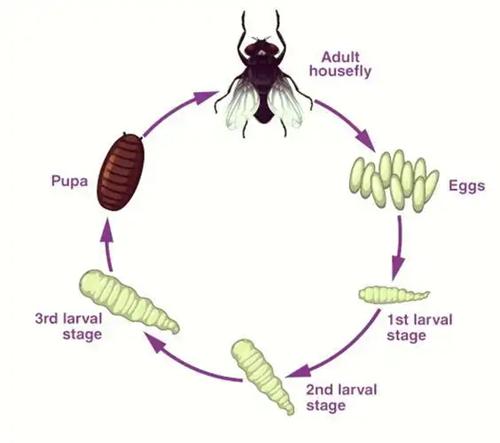
Their complete life cycle—egg, larva, pupa, and adult—takes 7–12 days under optimal conditions. By carefully regulating temperature and medium quality, breeders can achieve continuous culture and a stable supply of flies.
III. Mealworm (Larval Beetle) Farming
1. Advantages and Uses of Mealworms
Mealworms, the larvae of the darkling beetle, are one of the most versatile live feeds. They are suitable for reptiles, ornamental fish, birds, and rodents. The larval stage is the most widely utilized because of its high nutritional value, easy availability, and the ability to produce large numbers under controlled conditions.
2. Housing and Environmental Requirements
Plastic containers are the best choice for housing mealworms. Cardboard or styrofoam boxes should be avoided because they degrade quickly and may harbor mold. Ventilation is important, but lids are generally unnecessary since mealworms cannot climb smooth walls.
Unlike cricket setups, mealworm housing does not require bedding material. Keeping the container bare makes it easier to remove dead larvae and maintain a dry, sanitary environment. This reduces losses caused by mold and high humidity.
3. Stocking Density and Feeding
Stocking density must be carefully managed—mealworms should form only a single layer across the bottom of the container. Overcrowding leads to oxygen depletion and higher mortality.
For feed, a balanced dry mix can be prepared from cornmeal, soybean flour, rice bran, wheat bran, bone meal, and a small proportion of vitamins and trace minerals. A feeding schedule of three times per week is sufficient: two dry feedings and one fresh fruit/vegetable feeding.
During summer, moisture-rich produce must be given sparingly, as excessive humidity can be fatal. Newly purchased mealworms often arrive dehydrated, so offering vegetables such as carrot slices can help replenish water reserves before they are fed to pets.
4. Maintenance and Hygiene
Mealworms prefer cool, dimly lit environments. The insects themselves are relatively odorless; the foul smell usually arises from rotting dead bodies. Routine care includes removing corpses with tweezers and separating waste (frass) using a sieve once a week.
5. Breeding Considerations
Mealworm pupae typically transform into adult beetles within 7–10 days. The beetles then lay eggs, ensuring continuous reproduction. To encourage egg-laying, a layer of wheat bran can be spread inside the breeding container.
One important feeding note: mealworm larvae are encased in a tough chitinous exoskeleton, which is difficult for some animals to digest. For reptiles with weaker digestive systems, feeding should be moderate to prevent indigestion.
Conclusion
In reptile and exotic pet husbandry, live feed plays a dual role—it is both a source of nutrition and a vital stimulus for natural predatory behavior. Crickets are highly versatile, suiting many small to medium-sized reptiles. Wingless fruit flies are the ideal starter prey for young or small-bodied animals. Mealworms, with their rich nutrition and scalability, are among the most cost-effective feeder insects to produce.
By learning the techniques of environmental management, feeding protocols, and breeding cycles, keepers can maintain a steady, hygienic supply of live feed. This reduces dependency on commercial purchases, minimizes the risk of disease, and prevents large-scale die-offs caused by poor husbandry.
Recommend:

Scientific Insights into Cat Diets: Tailoring Nutrition by Age, Breed, and Health Condition
Avian Nutrition and Feeder Science: Optimizing Diets and Funnel Feeders for Wild and Captive Birds
Designing Secure Habitats for Exotic Pets: Tailored Solutions for Digging, Climbing, and Chewing Behaviors
Designing Sustainable Habitats: Integrating Clean-Up Crew, Circulation, and Natural Vegetation