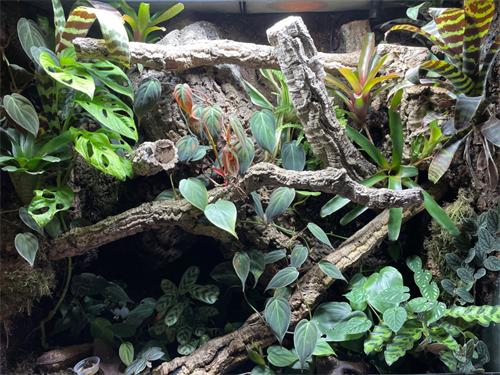
In modern pet keeping, more and more enthusiasts are no longer satisfied with simple glass tanks and artificial decorations. Instead, they seek a more natural, ecologically inspired approach. This is where the concept of the bioactive enclosure (vivarium) comes in. A bioactive enclosure is not merely a container—it is a self-sustaining environment that mimics natural ecosystems. Within a limited space, it reconstructs a miniature ecological cycle in which pets, plants, microorganisms, and the so-called “clean-up crew” coexist. Together, they create a closed-loop system that recycles waste, reuses nutrients, reduces the need for frequent cleaning, and enhances animal welfare.
A well-functioning bioactive vivarium does much more than simply meet the physiological needs of a pet—it allows the keeper to enjoy a dynamic miniature landscape right at home.
I. Why Choose a Bioactive Enclosure?
1. Reduced Cleaning Frequency
In conventional setups, leftover food and pet waste must be cleaned frequently to prevent odor and bacterial growth. In a bioactive system, however, the clean-up crew—organisms such as isopods and springtails—break down feces, shed skin, mold, and fallen leaves. These materials are transformed into nutrients that support plant growth. The result is a natural recycling process that greatly reduces the amount of manual cleaning required.
2. Improved Animal Welfare
A sterile, minimalistic enclosure may be easy to clean but provides little enrichment. In contrast, a bioactive habitat with live plants, soil, and structural diversity offers pets opportunities to dig, climb, hide, and forage—behaviors essential for psychological well-being. Such enrichment reduces stress, helps prevent abnormal behaviors, and allows animals to express their natural instincts.
3. Enhanced Environmental Stability
The presence of microorganisms and fungi in the substrate helps suppress harmful pathogens by competing with them for space and resources. The resulting biodiversity promotes ecological balance, reduces disease risks, and strengthens the pet’s immune system through natural exposure.
4. Aesthetic and Educational Value
A thoughtfully designed vivarium is both a functional habitat and a living work of art. It creates a dynamic natural landscape within the home, providing aesthetic pleasure as well as an educational tool. Observing nutrient cycles, plant growth, and microfauna activity firsthand offers a tangible lesson in ecology and the beauty of natural systems.
II. Choosing the Enclosure and Designing the Space
1. Materials and Ventilation
Glass and clear plastic are the most common materials. Glass provides excellent transparency and a polished look but is heavy and less portable. Plastic is lighter and easier to modify. Regardless of material, proper ventilation is crucial to prevent stagnant air, excess humidity, and mold growth.
2. Space and Dimensions
The enclosure size should be tailored to the species’ natural habits. Arboreal reptiles or amphibians benefit from tall, vertically oriented enclosures, while burrowing species require deeper substrate layers. Always aim for generous space to allow for environmental gradients and animal movement.
3. Modularity and Expandability
For keepers with long-term or expanding collections, modular enclosures with standardized fittings are practical. They allow for easy integration of lighting, heating, and humidity systems, and upgrading components does not require replacing the entire habitat.
4. Aesthetic Functionality
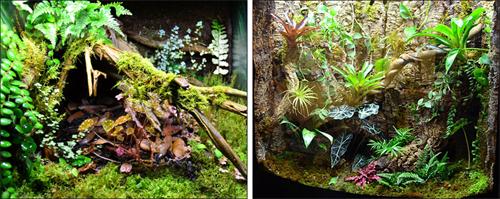
The enclosure should balance function and visual appeal. Rocks, wood, sandbanks, and live plants create a naturalistic setting that is not only beneficial for the animal but also pleasing for human observers, turning the enclosure into a piece of living art.
III. Substrate Structure and Layering
The substrate is the foundation of any bioactive system. It regulates water, supports microfauna, and sustains plant life.
1. Drainage Layer (Bottom)
Function: Stores and channels excess water away from the soil.
Material: Expanded clay balls, ceramic pellets, or gravel.
Importance: Without a drainage layer, standing water can create anaerobic conditions, leading to harmful bacteria, foul odors, and plant root rot.
2. Separation and Filter Layer
Placed above the drainage layer, this prevents soil particles from clogging the drainage zone. Materials such as mesh screens or nonwoven fabric are commonly used.
3. Soil Layer (Main Substrate)
A common mix is coco fiber, humus-rich soil, and sand, with optional additions of peat moss, sphagnum, or decomposed leaves to increase organic content.
Function: Provides a microhabitat for clean-up crew organisms, maintains moisture, and allows digging species to express natural behavior.
4. Leaf Litter Layer (Top)
Fallen leaves and organic debris form the surface layer. They serve both as decoration and as a long-term food source for detritivores such as isopods. Suitable leaves include oak, maple, and beech. Wild-collected leaves must be cleaned and sterilized to prevent pests or pathogens.
IV. Temperature and Humidity Regulation
1. Temperature Gradient
Install a heat source (such as a ceramic heat emitter or heating mat) on one side of the enclosure to create a gradient. One end may reach 30–35 °C, while the opposite side remains cooler (around 25 °C). This allows animals to thermoregulate by moving between zones.
2. Humidity Management
Misting systems or manual spraying help maintain proper humidity. High-humidity enclosures must also have good airflow to prevent mold outbreaks.
3. Monitoring Equipment
Thermometers and hygrometers are indispensable. Probes can be neatly placed through pre-drilled holes for accurate monitoring.
V. Lighting and Nutritional Support
Light influences both plant growth and animal health.
1. Types of Light
- UVA: Stimulates natural behaviors and activity.
- UVB: UVB exposure enables reptiles to naturally produce vitamin D3, which is necessary for their bodies to process calcium effectively and helps guard against bone deformities and weakness.
2. Lighting Design
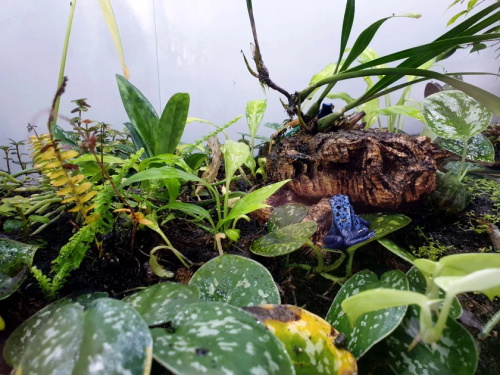
Light placement should reflect plant distribution. Upper areas can support bromeliads and orchids, middle zones suit peperomia and epiphytes, while the lower level is best for mosses and ferns.
3. Nutritional Supplements
Many reptiles and amphibians require calcium and vitamin D3 supplementation, usually provided as powdered dust on feeder insects.
VI. Building the Clean-Up Crew
The clean-up crew is the unseen maintenance team that keeps the ecosystem running.
1. Springtails (Collembola)
Tiny, fast-reproducing arthropods. Feed on mold and micro-organic matter, preventing fungal outbreaks. Typically introduced with their culture medium, scattered on the substrate surface.
2. Isopods (Woodlice, Pillbugs)
Common Varieties: Powder orange, powder blue, dwarf white. Break down leaves, waste, and uneaten food—nature’s decomposers. Some species may nibble live plants if their population grows unchecked.
3. Ecological Risks
Unwanted parasites or invasive pests can destabilize the system. Always sterilize wood, soil, and leaves before introduction.
VII. Plant Selection and Layout
Plants provide shelter, regulate humidity, and beautify the enclosure.
1. Rainforest Environments (High Humidity)
Suitable Plants: Ferns, mosses, philodendrons, bromeliads, orchids, peperomia.
Layout:
- Upper layer: Bromeliads (light-tolerant, drought-resistant).
- Middle layer: Orchids and peperomia (ornamental and adaptable).
- Lower layer: Mosses and ferns for a lush, humid ground cover.
2. Desert Environments (Arid)
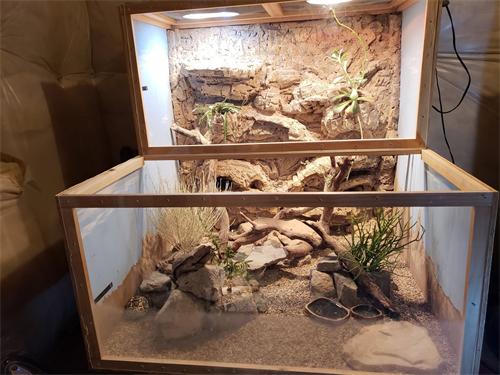
Suitable Plants: Succulents such as aloe, agave, cacti, and air plants.
Traits: Drought-resistant, minimal maintenance required.
3. General Precautions
Ensure all plants are non-toxic to the specific pet species. Trim overgrown foliage regularly to maintain balance.
VIII. System Operation and Maintenance
1. Initial Running Period (2–4 Weeks)
Before introducing animals, let the system run empty. This allows plants to root, clean-up organisms to establish, and microorganisms to stabilize.
2. Routine Maintenance
- Mist regularly to maintain humidity.
- Occasionally provide supplemental food for isopods (fish flakes, carrot slices, or fungal-based foods).
- Replenish the leaf litter layer as needed.
3. Long-Term Maintenance
Check the drainage system every few months to ensure it isn’t clogged. Adjust temperature and humidity systems seasonally or according to observed conditions.
IX. Conclusion
A sustainable bioactive vivarium is more than just a pet enclosure—it is a microcosm of nature and a living demonstration of ecological balance. From the substrate layers to the clean-up crew, from light and climate control to plant arrangement, each element is interconnected. This design philosophy embodies the ecological principle of closed-loop recycling.
As a keeper, your role shifts from being merely a feeder and cleaner to a steward of a small, functioning ecosystem. When everything works in harmony, the result is nearly self-sustaining: minimal cleaning, natural stability, and a healthier, happier pet.
Recommend:
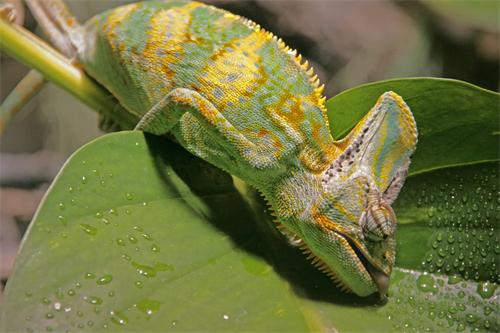
Keeping Exotic Pets Hydrated: Smart Watering Solutions for Every Species
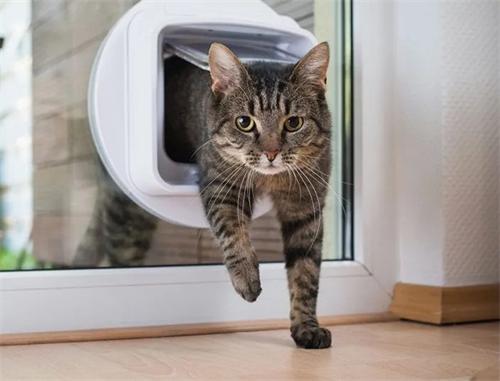
The Pet Tech Ecosystem: Building a Connected Home for Your Animal Companion
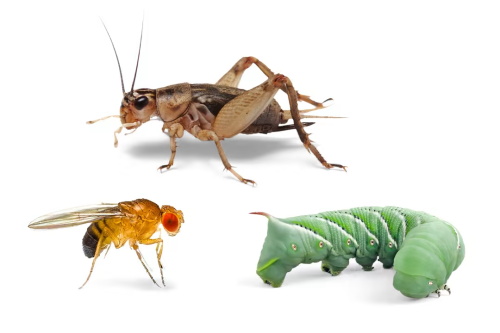
Breeding and Managing Live Feed: Techniques for Crickets, Fruit Flies, and Worms
Understanding Sugar Glider Social Needs: Risks of Solitary Housing and Step-by-Step Pairing Protocols