Hydration is one of the most essential yet sometimes overlooked aspects of exotic pet care. Unlike common pets such as dogs and cats, many exotic animals have highly specialized drinking behaviors that reflect their native habitats and evolutionary adaptations. Reptiles, amphibians, invertebrates, and even some exotic mammals may not recognize standing water in bowls as a source of hydration. Instead, they rely on rain droplets, dew, mist, or even the surface moisture on plants to meet their fluid needs.
For responsible keepers, this creates a unique challenge: how do you design a reliable, species-appropriate watering system that ensures hydration, supports natural behaviors, and maintains health without over-saturating or contaminating the enclosure?
Why Hydration Matters in Exotic Pets
Water plays a fundamental role in maintaining homeostasis. It regulates temperature, transports nutrients, supports digestion, and enables proper organ function. For exotic pets, improper hydration can result in a wide spectrum of health issues:
- Reptiles may develop renal insufficiency, urate retention, or impaction if dehydration persists.
- Amphibians, with their permeable skin, can quickly suffer from osmotic imbalance, skin desiccation, and immune suppression.
- Arthropods such as tarantulas or scorpions can become lethargic or experience molting complications when humidity and water balance are inadequate.
- Birds require consistent access to fresh water not only for drinking but also for preening and thermoregulation.
Unlike humans, who instinctively seek out standing water, many exotic pets do not drink from bowls. Instead, their hydration strategy in the wild may involve licking dew, drinking rainwater that drips from leaves, or absorbing moisture directly through the skin. This means that keepers must provide hydration in ways that mimic natural cues, ensuring that the animal actually recognizes and uses the water source.
Understanding Species-Specific Drinking Behaviors
The first step in creating a smart watering solution is to understand how the animal drinks in its native environment.
1. Licking Droplets (Chameleons, Day Geckos, Some Frogs)
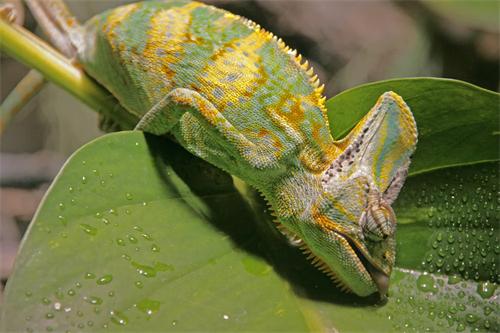
- These species rarely, if ever, drink from a water dish. Instead, they rely on dew or rain droplets forming on leaves and branches. Without a system that simulates rainfall or dripping, they may fail to drink altogether.
2. Surface Water Drinkers (Snakes, Lizards, Exotic Mammals)
- Some species, such as corn snakes or hedgehogs, readily drink from bowls. However, water quality and cleanliness remain critical, as stagnant water quickly becomes contaminated.
3. Moisture Absorption (Amphibians, Certain Invertebrates)
- Many amphibians absorb water through their skin and require a humid environment or moist substrate rather than a visible water source. Similarly, tarantulas may drink droplets from enclosure walls after misting.
4. Dynamic Interaction (Birds, Some Reptiles)
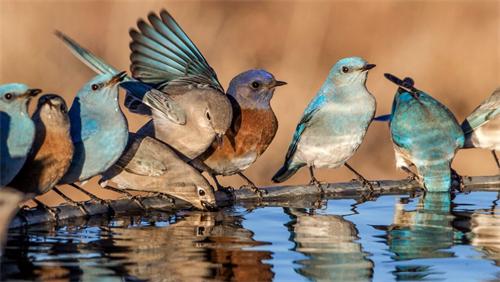
- Birds not only drink but also bathe, requiring shallow dishes or small fountains. Certain reptiles, like green iguanas, may use both water bowls and sprayed droplets.
Understanding these categories allows keepers to design hydration systems that match instinctual behaviors, increasing both welfare and enclosure usability.
Scientific Principles of Water Supply Systems
1. Drip Systems
Drip systems use a controlled water reservoir and tubing to release droplets at intervals, often onto leaves or branches.
- Applications: Essential for chameleons, some arboreal geckos, and tree frogs.
- Advantages: Mimics natural dew/rainfall patterns, encourages natural licking behavior.
- Challenges: Requires regular monitoring to prevent bacterial buildup in tubing, and water runoff must be managed to avoid pooling.
2. Misting and Atomizers
Automated misting systems or ultrasonic atomizers create fine sprays that simulate rain or fog.
- Applications: Tropical reptiles, amphibians, invertebrates, and plants within bioactive enclosures.
- Advantages: Increases humidity, provides surface droplets, and encourages natural behaviors.
- Challenges: Over-misting can cause excessive humidity, mold growth, or respiratory problems if ventilation is poor.
3. Water Bowls and Reservoirs
The simplest and most universal system, bowls provide standing water for species that recognize it as drinkable.
- Applications: Snakes, lizards, mammals, and most birds.
- Advantages: Low-cost, easy to refill, and allows bathing for some species.
- Challenges: Stagnation, contamination from substrate or feces, and risk of drowning for small invertebrates.
4. Circulating Fountains
These systems keep water moving, which may attract species that avoid stagnant water.
- Applications: Birds, exotic mammals, and certain reptiles such as iguanas.
- Advantages: Encourages drinking, reduces bacterial growth by aeration.
- Challenges: Requires regular cleaning and power supply.
5. Moist Substrate and Humidity Chambers
For amphibians and invertebrates, hydration often comes from environmental moisture rather than direct drinking.
- Applications: Frogs, salamanders, tarantulas, hermit crabs.
- Advantages: Supports skin hydration and molting processes.
- Challenges: Must balance moisture without creating anaerobic or mold-prone substrate conditions.
Designing Hydration Solutions by Species
Reptiles
- Chameleons: Best served by a combination of drip systems and automated misting, ensuring multiple daily opportunities to drink.
- Snakes: Most drink from bowls; water should be deep enough for soaking but easy to exit. Larger species (e.g., boas, pythons) often benefit from tubs.
- Iguanas and Uromastyx: Require both bowls and occasional misting; bowls should be large enough to allow soaking.
Amphibians
- Tree Frogs: Depend on misting and droplets; provide vertical foliage with regular spraying.
- Aquatic Amphibians (Axolotls, African Clawed Frogs): Require fully aquatic setups with clean, filtered water.
- Terrestrial Amphibians (Toads, Salamanders): Need moist substrate and shallow water dishes for soaking.
Invertebrates
- Tarantulas: Offer occasional misting and a small shallow dish. Droplets on enclosure walls often suffice.
- Hermit Crabs: Require both freshwater and saltwater pools, kept shallow with easy exits.
- Scorpions: Humidity gradients are important; a small water dish and light misting prevent dehydration.
Birds
- Parrots: Require bowls for drinking and bathing; fountains can enrich behavior.
- Small Passerines: Enjoy shallow dishes or drip bottles similar to those used for rodents.
- Waterfowl: Need larger pools or ponds for natural bathing and preening.
Exotic Mammals
- Hedgehogs: Typically drink from bowls, though some may adapt to water bottles.
- Sugar Gliders: Prefer bowls or shallow dishes, but misting foliage can also encourage licking behavior.
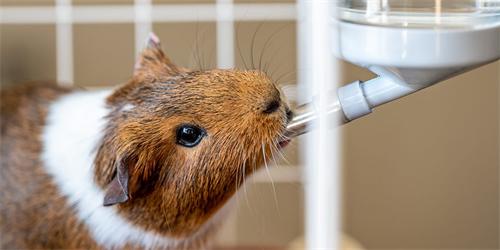
- Small Rodents: Often use water bottles with ball bearings, reducing contamination risk.
Preventing Water-Related Health Issues
1. Bacterial Growth: Stagnant water or poorly maintained tubing can harbor pathogens such as Pseudomonas or Salmonella. Daily cleaning and regular system sterilization are essential.
2. Over-Hydration and Humidity Imbalance: While dehydration is dangerous, excessive moisture can lead to respiratory disease in reptiles and bacterial skin infections in amphibians. Balance is key.
3. Drowning Hazards: Shallow dishes and escape routes should always be provided for small animals and invertebrates.
4. Mineral Content: Water hardness and chlorine levels can affect sensitive species. Using filtered or treated water may be necessary.
The Role of Technology in Modern Hydration Systems
Recent innovations in pet care technology have made it easier to maintain consistent hydration:
- Programmable Timers: Allow misting or dripping at specific intervals, simulating natural rainfall cycles.
- Sensors: Monitor humidity and trigger misting automatically to maintain optimal ranges.
- Bioactive Setups: Incorporate live plants that hold droplets and maintain humidity naturally.
- Smart Water Fountains: Provide continuous circulation, filters, and UV sterilization for birds and mammals.
These tools not only improve animal welfare but also reduce the daily labor burden on keepers, particularly in complex mixed-species or large enclosures.
Best Practices for Keepers
1. Match the System to the Species: A tarantula does not need a fountain, and a chameleon will ignore a bowl. Research natural behaviors.
2. Provide Multiple Options: Offering both a misting system and a bowl increases hydration opportunities.
3. Monitor Behavior: Watch for signs of dehydration (sunken eyes, lethargy, dry skin) and adjust hydration strategies accordingly.
4. Maintain Hygiene: Daily cleaning of bowls and weekly maintenance of tubing or atomizers prevents disease.
5. Replicate Natural Cycles: Align misting schedules with morning and evening, when many species are most active and naturally encounter dew.
The best hydration strategies are those that combine biological insight with practical design. A well-designed water supply system not only meets physiological needs but also enriches behavior, replicates natural environments, and prevents secondary health problems. With careful planning and modern technology, every exotic pet can thrive in a habitat where hydration is secure, accessible, and natural.
Recommend:
The Complete Guide to Parrot Enrichment: Safe Toys, Training Techniques, and Social Strategies
More Than Companions: What Our Pets Reveal About Modern Life and Values
Keeping Exotic Pets Hydrated: Smart Watering Solutions for Every Species
Practical Strategies for Exotic Pet Climate Control: Humidifiers, Dehumidifiers, and Thermoregulation