In contemporary society, keeping pets is no longer the choice of just a few families but has become a widespread lifestyle. The steady rise in pet ownership is not simply a statistical change; it reflects deep shifts in social structures, cultural values, and ways of living. In the past, pets were seen as supplementary members of the household, but today they are gradually becoming central to family life, even regarded as family themselves.
This is not only an evolution in human-animal relationships but also a mirror of emotional needs, economic development, and shifting values in modern society. Through pets, we see how people cope with loneliness, express self-identity, and redefine what a happy life means.
The Historical Evolution of Pets
From early hunting companions to agricultural laborers, and now as domestic pets in urban households, the changing relationship between humans and animals mirrors social development and shifting human needs.
- In primitive societies, dogs helped humans hunt and guard.
- In agrarian societies, livestock such as cattle and horses became vital labor.
- In modern urban societies, with rising productivity and lifestyle changes, animals have shifted from “functional beings” to “emotional companions.”
The word “pet” is increasingly being replaced with “companion animal.” This linguistic shift signifies that humans no longer see them merely as dependents but as equal partners in emotional companionship.
Emotional Support: A Gentle Force in a Fast-Paced Society
As life accelerates, stress and anxiety have become a daily reality. In this context, pets provide essential emotional support. They offer unconditional love and companionship, giving comfort in times of loneliness.
- For young people, pets help ease the isolation of living alone and act as an outlet for emotions.
- For empty nesters, pets serve as daily companions and spiritual anchors, adding warmth and meaning to later life.
Pets never betray or deceive. They respond to human emotions in the purest way, filling the gaps left by weakened human-to-human connections in modern society.
Pets and Identity: A New Social Symbol
Beyond emotional comfort, pet ownership has become a way to express identity and self-image.
- Through attentive care, owners demonstrate responsibility and compassion.
- On social media, sharing everyday life with pets has become a cultural trend.
“Pet posting” is not only about sharing life but also about seeking recognition and building social bonds. Pets have become lifestyle markers and a form of soft social capital.
“Pet Necessity” Amid Economic Pressure
Despite widespread financial uncertainty and rising living costs, the pet trend continues. The reason lies in the benefits pets bring:
- They relieve stress and provide emotional support.
- They encourage outdoor activities and social interaction.
- They enhance happiness and life satisfaction.
Even in times of economic downturn, many households still choose to keep pets. Pets have shifted from being seen as “luxuries” to becoming “necessities of life.”
The Rise of the Pet Economy and New Opportunities
With the growing number of pet owners, the pet economy has flourished, spawning new industries and social practices.
1. Pet Funerals: A Gentle Farewell
Studies show that 92% of pet owners struggle with grief when their pets pass away. Social stigma often prevents people from expressing this sadness, prolonging emotional recovery.
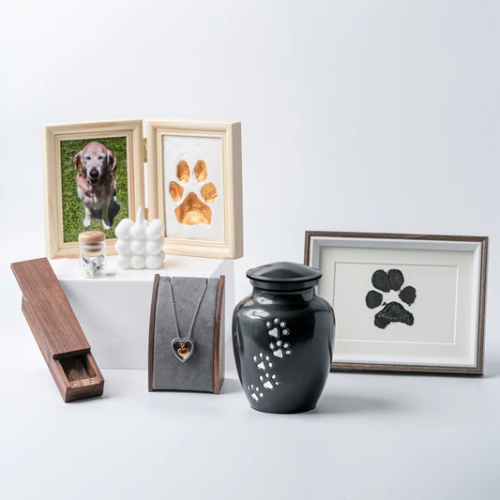
The rise of pet funeral services addresses this need. Professionals not only organize dignified farewell rituals but also offer comfort to grieving owners. At its core, pet funerals provide a respectful closure for life while allowing love and memory to endure.
2. Pet-Friendly Workplaces: Emotional Buffer Zones
More companies are adopting pet-friendly policies: allowing pets at work, setting up pet corners, offering insurance, birthday gifts, and even “pet leave.”
These measures reduce employee stress, enhance happiness, and strengthen teamwork. Similarly, pet-friendly malls and restaurants are emerging, with rest areas, water stations, and activity zones for pets, enriching the consumer experience for pet owners.
3. Pet Insurance: A Shield for Health
Veterinary expenses are often high, and a sudden illness can strain family finances. Pet insurance offers valuable protection, covering medical, liability, and accident policies, with health insurance being the most common.
Some companies even include pet insurance in employee benefits, helping staff safeguard their pets’ well-being.
4. Pet-Friendly Communities: A New Model of Coexistence
The “pet-friendly” concept is extending into community planning. Many neighborhoods are building pet parks that provide safe spaces for exercise and socialization, reducing conflicts in public areas.
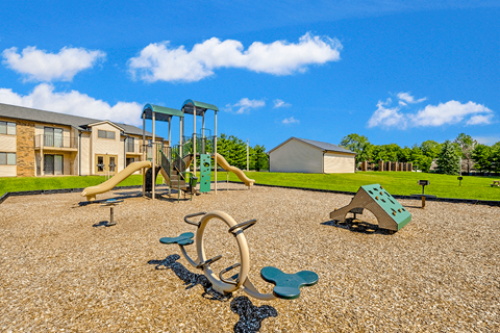
These parks not only serve pets but also act as platforms for owners to connect, share experiences, and build stronger community bonds. Communities are also integrating pet grooming, healthcare, feeding, and training services, creating comprehensive support systems for pet-owning households.
Balancing Public Spaces and Human-Pet Relations
The rise in pet ownership also brings challenges to public space management. Owners want pets to roam freely, while others worry about safety and hygiene.
Building sustainable human-pet relationships requires improvements in facilities and systems, but also a broader shift in social attitudes:
- Pet owners must act responsibly and follow proper care practices.
- Communities and institutions should provide adequate spaces and services.
- The public should adopt a more tolerant view of pet-owning families.
Conclusion
Pets are not just companions—they are mirrors of modern life. Through them, we see our emotional needs, cultural shifts, and changing lifestyles.
Pet ownership today has gone beyond companionship. It is about identity, social connection, and quality of life. The booming pet economy reflects humanity’s pursuit of love and happiness.
Looking ahead, building harmonious human-pet coexistence will not only be the responsibility of pet owners but also a collective task for society. As our companions, pets reveal the most authentic aspects of modern living and values.
Recommend:

The New Family Dynamic: How Pets Are Redefining Relationships in an Atomized Society

More Than Companions: What Our Pets Reveal About Modern Life and Values
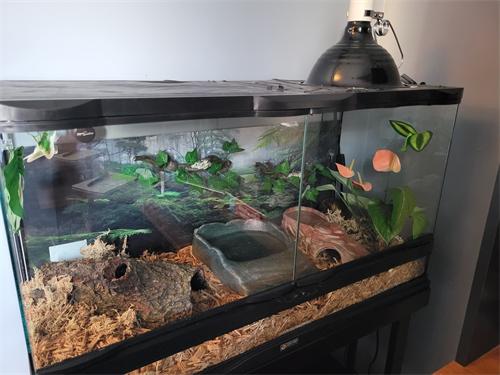
Practical Strategies for Exotic Pet Climate Control: Humidifiers, Dehumidifiers, and Thermoregulation
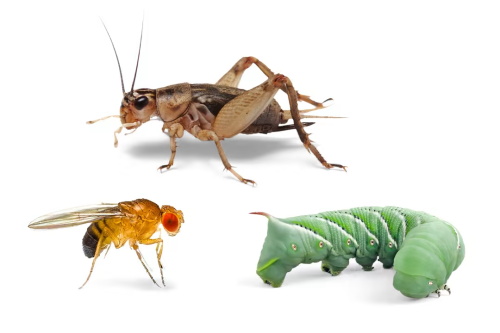
Breeding and Managing Live Feed: Techniques for Crickets, Fruit Flies, and Worms