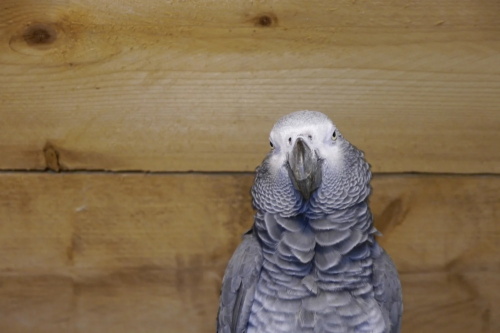
Parrots are among the most intelligent and socially complex animals kept as companion pets. Their vibrant personalities, remarkable problem-solving skills, and capacity for mimicry make them endlessly fascinating—but also uniquely challenging to care for. Unlike many other domestic animals, parrots retain strong wild instincts. Without proper stimulation, they are prone to boredom, stress, and destructive behaviors.
A recent industry report indicates that 67% of bird owners purchase toys for their parrots, highlighting a growing awareness of cognitive enrichment. However, not all enrichment is equally effective or safe. To keep parrots both mentally sharp and emotionally balanced, owners must understand the science of enrichment, recognize their bird’s cognitive needs, and apply structured strategies that combine safe toys, training, and social interaction.
1. Understanding Parrot Cognition: Why Enrichment Matters
Parrots, including species such as African greys, macaws, cockatoos, and conures, possess advanced cognitive abilities comparable to those of young children. Studies conducted at Harvard and the University of Vienna show that parrots can:
- Solve multi-step puzzles to access food.
- Understand basic concepts like shapes, colors, and even numbers.
- Display problem-solving and tool-using behaviors.
- Form strong social bonds and recognize individual voices.
In their natural habitats, parrots devote the majority of their day to searching for food, flying between trees, and interacting with their flock. These constant activities keep both their minds and bodies engaged. When kept in captivity, however, much of this daily stimulation is absent. If their environment lacks purposeful enrichment, parrots often channel their unused energy into problematic behaviors, which can include:
- Feather plucking (a self-soothing behavior linked to stress).
- Excessive screaming.
- Aggression toward humans or other pets.
- Obsessive pacing or repetitive movements.
Enrichment, therefore, is not optional—it is a fundamental welfare requirement. By recreating opportunities for exploration, problem-solving, and social interaction, owners help parrots thrive both mentally and physically.
2. Categories of Enrichment
Enrichment strategies can be divided into three major categories: toys, training, and social interaction. Each addresses different aspects of parrot well-being.
A. Toy-Based Enrichment
Toys are the most common form of enrichment, but their value depends on thoughtful selection.
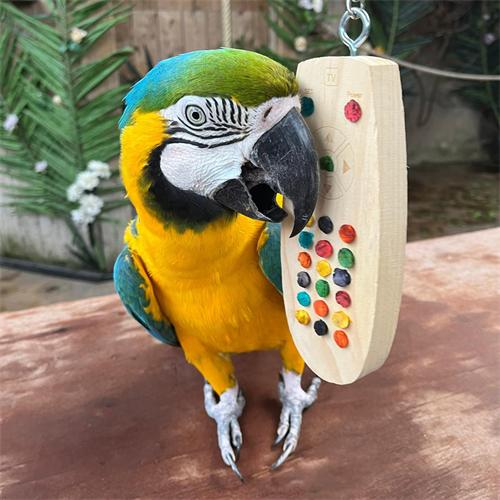
Types of Parrot Toys
1. Foraging Toys – Simulate natural food-seeking behaviors by hiding treats inside puzzle mechanisms. Examples: cardboard boxes, acrylic puzzle feeders, shreddable paper parcels.
2. Chew Toys – Provide outlets for beak maintenance and natural wood-shredding instincts. Materials: untreated wood, palm leaves, coconut shells.
3. Climbing and Exercise Toys – Swings, ropes, ladders, and play gyms encourage physical activity.
4. Sensory Toys – Bells, mirrors, or textured objects stimulate curiosity but should be rotated to avoid habituation.
5. DIY Toys – Safe household items like paper cups, cardboard rolls, or untreated pine blocks can be repurposed into enrichment tools.
Safety Considerations
- Avoid toys with small detachable parts that can cause choking.
- Exclude zinc- or lead-based metals (toxic to parrots).
- Use natural, untreated wood—never chemically coated or painted.
- Rotate toys weekly to maintain novelty while minimizing clutter.
Scientific Insight
Behavioral research in psittacines shows that parrots given access to varied foraging toys spend significantly more time engaged in constructive play and less time in stress behaviors. Rotating toys every 5–7 days replicates the unpredictability of wild environments.
B. Training as Cognitive Enrichment
Training is not just about obedience; it is a cognitive workout that strengthens the bird-human bond. Positive reinforcement—rewarding desirable behaviors with treats, praise, or play—encourages parrots to learn actively and with enthusiasm.
Core Training Techniques
1. Target Training – Teaching parrots to touch a stick or object with their beak. Builds focus and is a foundation for more advanced behaviors.
2. Step-Up/Step-Down Training – Reinforces safe handling and trust-building.
3. Trick Training – Wave, spin, fetch, or ring a bell. Provides mental stimulation and prevents boredom.
4. Flight Recall Training – Encourages exercise while strengthening the parrot’s bond and safety awareness.
Why Training Works
From a neurological perspective, training engages the parrot’s prefrontal cortex, stimulating decision-making, memory, and problem-solving pathways. Studies on African grey parrots show measurable stress reduction when training sessions are incorporated into daily routines.
Best Practices
- Keep sessions short (5–10 minutes) to match attention span.
- Always end on a positive note.
- Use varied rewards (seeds, nuts, favorite toy) to keep motivation high.
C. Social Enrichment
Parrots are flock animals, and isolation is one of the most harmful conditions for their mental health. Social enrichment can come from other birds, humans, or even carefully chosen interactions with other household pets.
Forms of Social Enrichment
1. Direct Interaction – Talking, singing, and playing with your parrot daily.
2. Shared Activities – Allowing parrots to perch near you while you read, cook, or work.
3. Flock Simulation – Positioning cages where the parrot can observe household activity (but not in constant chaos).
4. Bird-to-Bird Interaction – Multi-bird households provide peer enrichment, but careful introduction is critical to prevent aggression.
5. Supervised Outdoor Time – Harness training or enclosed aviaries provide safe exposure to natural light, sounds, and fresh air.
Scientific Evidence
A 2020 welfare study on captive cockatoos found that individuals with consistent social interaction displayed 40% fewer stereotypic behaviors than isolated counterparts. Parrots perceive their caregivers as flock members, meaning your presence is as enriching as any toy.
3. Designing a Holistic Enrichment Plan
To meet the cognitive and emotional needs of parrots, owners should integrate all three enrichment categories into a structured routine.
Daily Routine Example
- Morning: Foraging toy with breakfast + short training session (targeting or step-up).
- Midday: Social playtime (talking, supervised free-flight indoors, or perch near working area).
- Afternoon: Toy rotation or introduction of a shreddable item.
- Evening: Trick training session + cuddle/interaction before bedtime.
Weekly Adjustments
- Rotate 2–3 toys.
- Introduce a new foraging challenge (e.g., treat hidden in cardboard layers).
- Provide at least one outdoor session (weather and safety permitting).
By balancing cognitive, physical, and emotional stimulation, parrots can maintain resilience and avoid common behavioral problems.
4. Preventing Behavioral Problems Through Enrichment
Many parrot behavior problems stem from unmet enrichment needs. Addressing the root cause often prevents escalation.
Feather Plucking
- Often linked to boredom or lack of foraging outlets.
- Solution: Increase shreddable toy access + daily trick training.
Excessive Screaming
- May be attention-seeking or due to lack of social interaction.
- Solution: Structured play sessions and positive reinforcement for quiet behaviors.
Aggression
- Linked to frustration or insufficient exercise.
- Solution: Provide more flight opportunities, puzzle feeders, and predictable daily routines.
Destructive Chewing
- Natural but can be misdirected to furniture.
- Solution: Offer chewable wood toys and rotate them regularly.
Behaviorists emphasize that most undesirable parrot behaviors are adaptive responses to under-stimulating environments, not signs of defiance. Enrichment realigns behavior with positive outlets.
5. The Future of Parrot Enrichment
The pet bird market is evolving rapidly, with smart foraging toys, app-connected feeders, and interactive play devices gaining popularity. As 67% of owners already buy toys, the next step is education on proper usage. Without structured guidance, even the best toys may fail to meet enrichment goals.
Future directions include:
- AI-enabled enrichment devices that adjust challenge levels based on parrot behavior.
- Virtual flock interactions using live-stream platforms for isolated parrots.
- Cross-disciplinary welfare research integrating veterinary medicine, psychology, and design.
Ultimately, the goal is not to replace human interaction but to complement it with innovative tools that match parrots’ evolving needs in domestic environments.
Conclusion
Parrots are not passive pets—they are intelligent, emotionally sensitive beings whose well-being depends on structured enrichment. From safe toy selection to daily training and rich social interaction, owners must commit to meeting their bird’s cognitive and emotional needs.
By embracing a holistic approach—combining safe toys, effective training techniques, and consistent social strategies—parrot caregivers can prevent behavioral problems, strengthen the human-bird bond, and unlock the full potential of their feathered companions.
As the growing trend of toy purchasing suggests, awareness of enrichment is rising. The challenge now is to move from buying toys to building meaningful enrichment systems that reflect the natural complexity of a parrot’s world.
With science as our guide, we can transform the lives of captive parrots from boredom and frustration to joy, resilience, and thriving companionship.
Recommend:
Breeding and Managing Live Feed: Techniques for Crickets, Fruit Flies, and Worms
A Practical Handbook on Reptile Lighting: Installation, Replacement, and Light Cycles
Designing a Scientific Hamster Habitat: Safe, Enriched, and Behaviorally-Appropriate Spaces

The Secret Life of Pets: What Animals Feel, Dream, and Know