
Over the past decade, pet ownership has shifted from being a niche hobby to a widespread lifestyle around the world. More and more families now regard pets as family members, driving the rapid rise of the pet economy—with pet food taking the largest share of this growing market. For pet owners, choosing safe, nutritious, and cost-effective food has become a serious challenge.
In recent years, “organic” and “natural” have become some of the most sought-after labels in the pet food industry. Many brands market their products as “organic,” claiming they are healthier, safer, and more premium. But the question remains: what exactly is organic pet food, and is it really worth the higher price?
What Is Organic Pet Food?
To understand organic pet food, we first need to clarify the meaning of “organic.” In agriculture, organic usually refers to crops grown without chemical substances such as pesticides, herbicides, or synthetic fertilizers. For meat, the term requires that the source animals be raised on natural feed instead of industrial feed, and not treated with antibiotics or growth hormones.
For example, under the U.S. Department of Agriculture (USDA) organic certification, only foods that contain more than 70% organic ingredients and meet strict standards throughout the production process can be labeled “organic.” This means no synthetic pesticides, fertilizers, or growth regulators are allowed, ensuring the purity and safety of the food.
Take organic chicken or beef as an example: it not only provides high-quality protein but also comes free from antibiotic or hormone residues, making it safer than conventional meat. When such meat is used in pet food, it can reduce the risk of pets suffering from health problems caused by harmful substances in their diet.
Pesticide Residues: The Hidden Threat
For pets, pesticide residues are often an invisible health hazard. While pesticides are intended to protect crops, any residues that remain and end up in pet food may cause long-term harm.
Even in small amounts, pesticide residues can accumulate over time, impairing liver and kidney function, weakening detoxification processes, and potentially causing organ damage. Sensitive pets may also develop skin allergies, respiratory issues, or digestive problems. More critically, some chemicals can interfere with the endocrine system, affecting growth, immunity, and overall longevity.
From this perspective, if the budget allows, choosing organic pet food is undoubtedly better for a pet’s long-term health.
The Concerns with Conventional Pet Food
Traditional pet food often uses meat meal or by-products as its main protein source. These by-products may include bones, organs, or skin, processed at high temperatures. While they do provide nutrition, they cannot match the quality of fresh meat.
Additionally, conventional pet foods frequently contain artificial preservatives, colors, and flavorings to extend shelf life or improve palatability. These additives may cause digestive upset, allergic reactions, or contribute to long-term health risks. By contrast, organic pet foods are typically free from such chemicals, making them more natural and pure.
That said, it is important to note that “organic” is not a cure-all. Not every pet needs organic food. Owners should choose based on their pet’s health condition and individual needs.
Advantages and Limitations of Organic Pet Food
Advantages:
1. More natural ingredients: Free from artificial chemicals, lowering the risk of allergies and toxic effects.
2. High-quality protein sources: Often use human-grade meats with greater nutritional value.
3. Fewer drug residues: Avoids hormones and antibiotics, supporting long-term health.
4. Better for sensitive pets: Helps ease digestive issues and skin allergies.
Limitations:
1. Higher cost: Stricter sourcing and production standards raise prices.
2. Shorter shelf life: Lack of synthetic preservatives means limited storage time.
3. Labeling issues: Not every product marketed as “organic” truly meets certification standards.
In short, organic food does have health advantages, but it is not essential for every household. Pet owners should weigh their budget, pet’s needs, and lifestyle before deciding.
Types of Organic Pet Food
With market growth, organic pet food now covers a wide range of categories:
l Organic dry food: Made with low-temperature baking or cold-pressing to retain nutrients.
l Organic wet food: High in fresh meat and vegetables with extra moisture for hydration.
l Organic treats: Grain-free biscuits, freeze-dried meat snacks, and other healthy nibbles.
l Organic specialty formulas: Designed for pets with sensitive digestion, skin allergies, or weight issues, offering targeted nutrition.
Packaging often emphasizes eco-friendly and minimalist design, aligning with modern consumer values of sustainability and wellness.
The Real Impact of Organic Cat Food
Clinical observations and owner feedback suggest that organic cat food can improve digestion, coat shine, and immunity, thanks to its natural ingredients and high-quality proteins.
Although organic cat food is more expensive, its higher nutrient absorption rate may reduce health issues over time, potentially lowering veterinary costs. In this sense, it can be seen as an investment in both pet health and owner peace of mind.
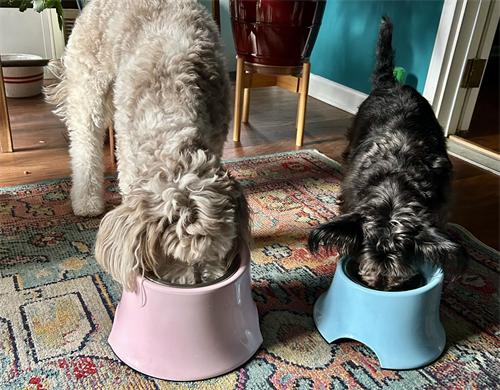
Homemade Pet Food: Another Option
Many pet parents are also turning to homemade meals as an alternative. Preparing food at home allows them to know exactly what goes into the bowl, minimize unwanted additives, and customize recipes to fit their pet’s unique tastes and health requirements.
However, it is time-consuming and requires careful nutritional balance. Without proper guidance, homemade diets may cause deficiencies or imbalances. For this reason, consulting a veterinarian or pet nutritionist is strongly recommended.
The Rise of Functional Pet Foods
Beyond organic, functional pet foods are also gaining popularity. These diets not only meet pets’ basic nutritional needs but also support specific health concerns:
l Skin & coat: Enriched with Omega-3 fatty acids (fish oil, flaxseed oil) for itching or shedding.
l Joint health: Added glucosamine and chondroitin for mobility, especially in senior pets.
l Digestive support: Contain probiotics to balance gut flora and ease sensitivities.
l Weight management: Low-calorie, high-fiber formulas to prevent obesity.
The growth of functional foods reflects a shift toward precision nutrition in the pet industry, focusing on detailed health care rather than just feeding.
Beyond Food: The Importance of Care
Whether it’s organic, conventional, or functional, the essence of pet nutrition lies in providing what is healthy and suitable. Organic food does offer a cleaner and more natural option, but higher prices don’t necessarily mean better care.
For pets, happiness doesn’t come from “luxury meals” but from the companionship, exercise, and safe environment their owners provide.
In the end, choosing pet food should be a rational decision based on one’s circumstances. Providing a balanced diet within your means, along with love and attention, is the most responsible way to care for your furry companion.
Recommend:

More Than Companions: What Our Pets Reveal About Modern Life and Values

Practical Strategies for Exotic Pet Climate Control: Humidifiers, Dehumidifiers, and Thermoregulation
Designing a Scientific Hamster Habitat: Safe, Enriched, and Behaviorally-Appropriate Spaces
Supporting Your Dog’s Gut Health: Probiotics, Products, and Homemade Recipes