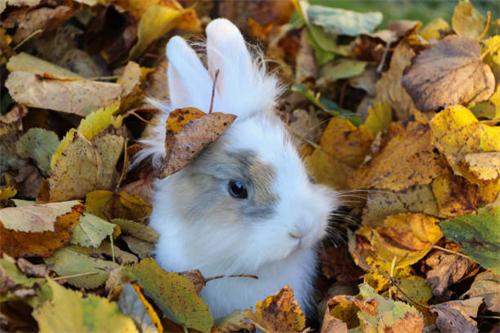
Autumn is a season of transition — shortening days, cooler nights, shedding trees, and often increased humidity or rain depending on your region. For domestic rabbits, who evolved as prey animals with sensitive physiology, these environmental shifts can meaningfully affect metabolism, digestion, behavior, and disease risk.
Why season matters for rabbits: physiology and behavior in transition
Rabbits are crepuscular (most active at dawn and dusk), have a high metabolic rate relative to body size, and rely heavily on constant fiber intake to maintain gut motility and microbial balance. Seasonal changes influence:
- Thermoregulation: Rabbits tolerate cool temperatures better than extreme heat, but damp cold and drafts increase energy needs and can promote illness.
- Coat and molting: Rabbits molt in response to daylight changes; autumn molts can produce heavy hair loss that increases grooming needs and hairball risk.
- Appetite and digestion: Altered activity and temperature often change caloric requirements and feeding patterns; gut microbes are sensitive to abrupt diet changes.
- Immune function and parasites: Seasonal parasites (e.g., fleas, certain intestinal parasites) and respiratory pathogens may have different prevalence in autumn depending on local climate.
Diet adjustments for autumn: maintain fiber, manage treats, and support molting
1. Keep hay the cornerstone
Hay is the most important dietary element year-round because it provides the long fiber needed for intestinal motility and dental wear. In autumn:
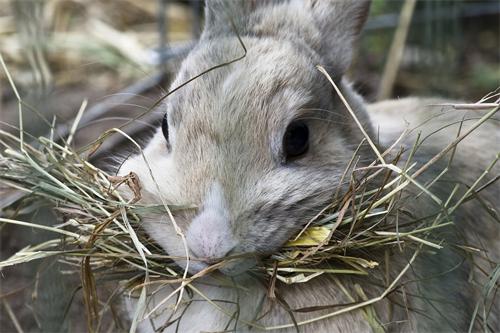
- Unlimited high-quality grass hay (timothy, orchard, meadow) should remain available at all times. This supports steady gut transit and helps rabbits pass fur ingested during autumn molts.
- For younger or nursing rabbits, include alfalfa hay for extra calories and calcium; otherwise, limit alfalfa for adult rabbits to avoid excess calcium.
2. Manage pellet intake — don’t overcompensate
Pellets are a concentrated source of nutrients. In autumn, some owners mistakenly increase pellets thinking that cooler weather requires more calories. Instead:
- Adjust pellets modestly and gradually only if body condition assessment (see health section) shows weight loss. Rapid increases in pellets can disrupt gut flora.
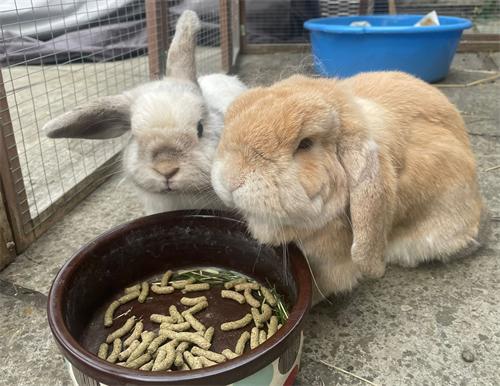
- Use measured portions appropriate to your rabbit’s size and life stage; avoid free-feeding pellets.
3. Fresh greens and seasonal vegetables
Leafy greens provide hydration, micronutrients, and variety:
- Continue offering a varied mix of leafy greens daily (e.g., romaine, cilantro, parsley, dandelion greens) but introduce seasonal produce slowly to detect sensitivity.
- Limit starchy or sugary treats (apples, carrots) — autumn harvests tempt us with treats, but excess sugar can cause dysbiosis.
4. Support for molting
During heavy autumn molts, rabbits ingest more hair which can form trichobezoars (hairballs) that hinder digestion:
- Provide extra roughage (more hay and high-fiber greens).
- Offer safe, natural roughage supplements (e.g., small amounts of dried herbs or grasses sold for rabbits) to encourage gut movement.
- Some veterinarians recommend commercially formulated paste or gel designed to help hair transit, but use these only under guidance — they’re adjuncts, not substitutes for hay.
5. Hydration matters
Cooler weather can reduce water intake if bowls freeze outdoors. Ensure:
- Fresh water available at all times — check bowls and bottles twice daily.
- Consider heated water bowls if your rabbit has outdoor access and temperatures approach freezing.
Environmental adjustments: housing, temperature, humidity, and lighting
1. Temperature and microclimate
Rabbits are generally comfortable between approximately 10–24°C (50–75°F) depending on breed, coat, and acclimation. In autumn:
- Avoid drafts and dampness. Position indoor hutches away from open windows and poorly insulated walls; for outdoor hutches, add windbreaks and raise flooring off the ground.
- Provide insulating bedding (straw rather than hay for warmth — straw traps air; hay is for eating). Replace damp bedding promptly.
- For long-haired breeds, ensure adequate ventilation to prevent damp fur and fungal growth.
2. Lighting and photoperiod
Shorter days can influence molting and behavior. While it’s not necessary to artificially extend daylight for most pet rabbits, stable light-dark cycles help maintain regular feeding patterns and circadian rhythms.
3. Enclosure cleanliness and airflow
Autumn rain and indoor confinement can increase ammonia buildup from urine, irritating respiratory tracts:
- Clean enclosures more frequently if damp or soiled.
- Ensure good but gentle ventilation — avoid direct airflow on the rabbit while maintaining air exchange.
4. Outdoor rabbits: weatherproofing
If your rabbit spends time outdoors:
- Provide a sheltered sleeping box lined with straw and protected from wind/rain.
- Ensure predator-proofing — autumn brings increased predator activity as wild animals forage more. Secure fencing and sturdy roofs are essential.
- Bring rabbits indoors during prolonged cold snaps or severe storms.
Health practices: monitoring, preventive care, and molting management
1. Regular body-condition and weight monitoring
- Weekly body-condition scoring (feel the rib and lumbar area; you should be able to feel ribs with a slight fat cover). Sudden weight loss is a red flag.
- Keep a weight record; small consistent losses merit veterinary evaluation.
2. Dental health
Molting and seasonal diet changes don’t directly change tooth growth, but changes in eating behavior can reveal dental problems:
- Watch for drooling, decreased appetite, selective eating of soft pellets only, or malformed feces — signs of dental pain.
- Provide gnawing materials (safe untreated wood, hay cubes) to encourage natural tooth wear.
3. Gastrointestinal vigilance
- Monitor fecal output daily — number, size, and consistency. Soft or absent droppings require immediate attention.
- If you see decreased fecal output combined with decreased appetite or abdominal pain (hunched posture, teeth grinding), seek veterinary care quickly — GI stasis is an emergency.
4. Parasite and respiratory disease prevention
Seasonal parasite prevalence varies by region:
- Continue monthly flea and ectoparasite checks; treat per your vet’s recommendation.
- Keep bedding dry to reduce mite and fungal risks.
- If respiratory symptoms appear (nasal discharge, sneezing, noisy breathing), consult your vet — autumn dampness can exacerbate respiratory pathogens.
5. Vaccinations and routine vet checks
Follow local veterinary guidance for vaccinations (e.g., in regions where rabbit hemorrhagic disease is present). Autumn is a good time to schedule a routine check — vets can screen weight, teeth, and parasite status before winter.
Behavioral and enrichment adjustments
Autumn changes may make rabbits more exploratory or more sedentary depending on temperature and lighting:
- Keep enrichment varied: introduce new chewing toys, tunnels, and safe branches (e.g., untreated apple or willow) for gnawing.
- Encourage activity by creating safe indoor play areas on cool days to maintain muscle tone and digestion.
- For multi-rabbit households, watch social dynamics — changes in resources (more confined indoor time) can increase competition; provide multiple feeding stations and hiding spaces.
Transition strategies: make changes gradually
Introduce new foods over 7–14 days, starting with small amounts and observing feces and appetite.
Adjust bedding and housing in steps: add extra straw during the night for a few nights before fully switching bedding layers.
If moving an outdoor rabbit indoors for winter, allow time for acclimation — keep them in a quiet room with familiar bedding and gradually increase supervised indoor time.
Special considerations by rabbit type
- Short-haired, lean breeds (e.g., Rex): may lose body heat faster — monitor weight and provide extra bedding.
- Long-haired breeds (e.g., Angora): require more grooming during autumn molts to prevent hair ingestion; consider clipping or professional grooming if mats form.
- Elderly or young rabbits: have reduced thermoregulatory ability—older rabbits need gentler, more frequent checks of body condition and environment adjustments.
Practical autumn checklist for rabbit owners
[ ] Ensure unlimited fresh hay is available; inspect quality (no mould/mustiness).
[ ] Maintain fresh water at all times; prevent freezing of outdoor water sources.
[ ] Measure and, if necessary, modestly adjust pellets based on body-condition scoring — avoid sudden increases.
[ ] Add straw-lined sheltered sleeping boxes for outdoor rabbits; replace damp bedding.
[ ] Clean enclosures more frequently to avoid damp and ammonia buildup.
[ ] Increase grooming frequency during molt; provide safe chewable items to reduce hair ingestion.
[ ] Monitor feces and appetite daily; record weight weekly.
[ ] Inspect for parasites and consult your vet about appropriate seasonal treatments.
[ ] Create indoor enrichment and supervised exercise opportunities for bad-weather days.
[ ] Schedule a veterinary check if any decline in appetite, weight, or unusual behavior occurs.
When to contact a veterinarian — red flags
Seek prompt veterinary care if you observe:
- Rapid or unexplained weight loss
- Little to no fecal output for 12–24 hours
- Difficulty breathing, nasal discharge, or persistent sneezing
- Severe lethargy, hunched posture, or teeth grinding
- Obvious pain, swelling, or inability to move normally
Early intervention greatly improves outcomes, especially for GI or respiratory conditions.
Final notes: evidence-based prudence and individualized care
Autumn rabbit care benefits from both general principles (fiber-first diet, dry warm housing, slow transitions) and attention to the individual rabbit’s condition, age, breed, and local climate. Maintaining consistent, fiber-rich feeding, minimizing abrupt dietary changes, and proactively managing molting and bedding moisture are among the most effective strategies to reduce seasonal health risks. While this article provides a science-aligned framework, always tailor decisions to your rabbit’s responses and consult a rabbit-savvy veterinarian for diagnostic or therapeutic choices.
Recommend:

The Gen Z Pet Parent: Why 70% of This Generation Owns Multiple Pets
Understanding Sugar Glider Social Needs: Risks of Solitary Housing and Step-by-Step Pairing Protocols
Designing Secure Habitats for Exotic Pets: Tailored Solutions for Digging, Climbing, and Chewing Behaviors

The New Family Dynamic: How Pets Are Redefining Relationships in an Atomized Society