
With the acceleration of modernization, urban life has gradually become the mainstream. Urbanization has not only changed people’s lifestyles but also subtly reshaped family structures and social patterns. Many people have left their families of origin and familiar neighborhood environments, and the commercialized, efficiency-driven nature of society has increasingly replaced emotional connections between people with value exchanges. In this environment, “boundaries and personal limits” have become an unspoken rule in social interactions, while loneliness, isolation, and high levels of individualization have gradually become a sociological reality for modern urban populations.
In this context, pets—silent companions that offer comfort and support—have rapidly become important members of modern households. For those with fast-paced lifestyles, limited social circles, and strong feelings of loneliness, pets are not just companions but also emotional anchors.
Global Pet Market Overview
According to the latest data, there are now over one billion pets worldwide. In Europe, the total number of pets reached 299 million in 2023, with nearly half (49%) of European households owning at least one pet, totaling 139 million households. In 2023, total pet-related spending in Europe reached €53.8 billion, with €29.2 billion spent on pet food and €24.6 billion on pet services and products—both segments growing at 9%. The industry includes more than 400 pet food companies and 500 manufacturing plants, reflecting a highly mature ecosystem.
The United States, as a global leader in the pet economy, boasts a more professionalized industry and complete supply chain than other countries. In 2024, the U.S. pet industry market size was approximately $151.9 billion, with pet food accounting for about $65.8 billion, or 43% of the total. According to the 2025 survey by the American Pet Products Association (APPA), pet ownership continues to grow, with over 94 million U.S. households owning at least one pet, up from 82 million in 2023. Additionally, with rising egg prices, more households are raising backyard chickens, currently around 11 million, a 28% year-on-year increase.
In China, pet ownership is also rising rapidly. By 2024, there were 430 million pets, surpassing the number of children under four years old. Globally, over half (56%) of people own pets, with 47% being first-time pet owners. More than one-third (37%) of pet owners consider pets the most important part of their lives—a proportion even higher among Gen Z (45%) and Millennials (40%). Pets have become not only emotional companions but also the driving force behind trends such as pet humanization, boosting consumption in pet food, healthcare, and smart products.
According to Euromonitor, the global pet industry market size was approximately $207 billion in 2024 and is expected to reach $270.8 billion by 2029, with a compound annual growth rate of 5.5% between 2024 and 2029. From a generational perspective, Gen Z has shown the most significant growth in the pet market, accounting for 20% and emerging as a new force. Millennials, while currently the largest group (30%), are slightly declining, and Gen X and Baby Boomers remain stable at 25% each. A striking 70% of Gen Z pet owners keep multiple pets, highlighting not only their tendency to own more animals but also the growing popularity of dogs and cats among this generation.
Gen Z and Pets: Symbols of Lifestyle
Single Gen Z individuals view pets as symbols of lifestyle. With declining birth rates, pets increasingly take on the role of “child substitutes” in households. They are not only companions but also “first playmates,” driving related industries such as pet photography and pet-themed amusement parks.
The rise of hybrid work models has further fueled the pet ownership boom. Fourteen percent of people report that their workplaces allow pets—a 17% increase from 2023. About 80% of respondents believe that pets have a positive impact on the work environment, and pet-friendly workplaces help attract and retain top talent.
Gen Z sees pets as “extensions of themselves” and is willing to pay for emotional value. Studies show that 58.7% of single young adults struggle with dating due to limited social circles or poor communication skills, but pets can establish trust without words. Friends may drift away, marriages may fail, and workplace relationships are constantly changing, but pets often accompany their owners throughout life. This long-term, stable companionship results in relationships with pets that are emotionally deeper than most human connections.
Research indicates that within the first three months of pet ownership, pets may still be seen as “toys” or “ordinary animals,” but through daily care and interaction, emotional bonds deepen. After one year, pets are increasingly viewed as friends or even family members. They not only provide companionship but also understand their owners’ intentions, sense emotions, and offer emotional support. One pet owner noted, “I provide for my dog materially, but in spirit, it actually supports me. The care I give always returns as wholehearted love.”
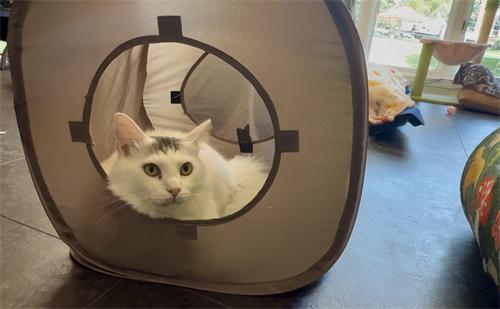
The Psychology of Human-Pet Relationships
Academic studies show that compared to human relationships, pets are better suited as objects of empathy and dependency. Human relationships are complex, and even intimate connections can involve conflicts and friction, whereas pets provide safe, stable, and unconditional emotional support. Pets do not harm owners over differing values or interests, nor do they judge morality during emotional lows.
Pets also encourage people to reveal their authentic selves. Over the past 40 years, extensive research has shown positive correlations between pet ownership and physical and mental health. Physically, interactions with pets stimulate neurochemicals, relax the body, and strengthen immunity. Psychologically, pets help reduce anxiety, depression, and loneliness while enhancing well-being and self-esteem. Pet therapy is widely applied in clinical settings to help patients alleviate mental health issues.
Furthermore, pets positively influence children’s development. Studies show that children with pets experience less loneliness, lower anxiety and fear, are more willing to share and build close relationships with peers, and develop empathy and prosocial behaviors. This makes pets important partners in children’s psychological growth and reinforces their value in human social life.
Consumption Upgrade and Emotional Trends
Gen Z demonstrates through consumption that pets are not just companions—they are emotional projections and symbols of lifestyle and consumption upgrades. From “survival-oriented” to “quality-focused,” from “functional” to “emotional,” the younger generation is leading a pet ownership revolution. This revolution is redefining human-animal relationships and driving rapid growth in pet-related industries.
Data shows that Gen Z’s high willingness to spend is boosting growth in pet food, healthcare, and smart products. With policy support and technological breakthroughs, the pet economy may enter a trillion-dollar growth cycle. In the future, the pet industry will not only be an integral part of the emotional economy but also a significant marker of changes in urban lifestyles and consumer patterns.
Conclusion
The relationship between Gen Z and pets is not just about companionship—it is emotional support, lifestyle expression, and a reflection of consumption upgrades. In modern urban life, where loneliness is increasing and social relationships are becoming more complex, pets have become the most reliable emotional partners for young people. They are willing to invest time, money, and emotion in their pets, driving rapid growth in the pet market.
With continued social, economic, and technological development, this Gen Z-led pet revolution is profoundly reshaping human-animal relationships, consumption patterns, and emotional connections, bringing unprecedented growth opportunities to the global pet industry.
Recommend:
Understanding Sugar Glider Social Needs: Risks of Solitary Housing and Step-by-Step Pairing Protocols
The Secret Life of Pets: What Animals Feel, Dream, and Know

More Than Companions: What Our Pets Reveal About Modern Life and Values
A Guide to Stress Management in Exotic Pets: Recognition, Prevention, and Care