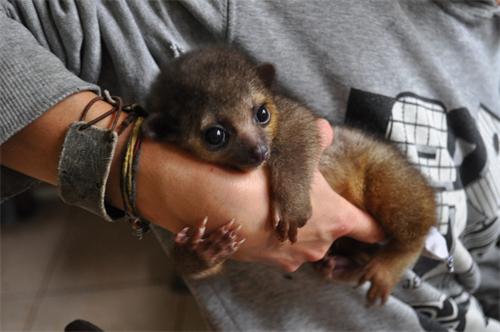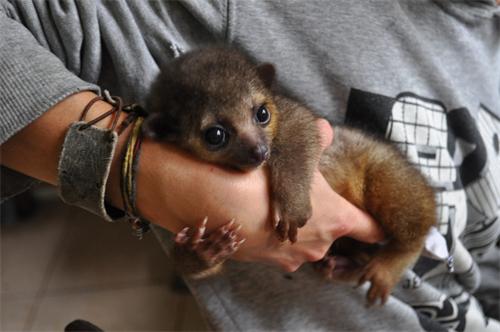
Exotic pets—including reptiles, amphibians, birds, small mammals, and invertebrates—are increasingly popular companions. However, unlike traditional domesticated pets such as dogs and cats, many exotic animals retain stronger instincts and environmental needs rooted in their wild ancestry. As a result, they are particularly sensitive to stressors within captivity. Chronic stress in exotic pets can compromise immune function, alter behavior, decrease reproductive success, and shorten lifespan.
1. Understanding Stress in Exotic Pets
1.1 Biological Basis of Stress
Stress is the physiological and behavioral response to perceived threats or challenges that disrupt an animal’s homeostasis. In vertebrates, stress activates the hypothalamic-pituitary-adrenal (HPA) axis, leading to the release of stress hormones such as corticosterone or cortisol. Short-term (acute) stress may be adaptive, enabling escape from predators or environmental hazards. However, chronic stress—persistent activation of stress pathways—can suppress immunity, impair digestion, reduce growth, and lead to abnormal behaviors.
For exotic pets, many stressors are linked to environmental mismatch—conditions in captivity that differ from their evolutionary habitats. For example:
- A tropical reptile kept at suboptimal temperature.
- A prey species exposed to constant handling or noise.
- A parrot deprived of social and foraging opportunities.
1.2 Why Exotic Pets Are Vulnerable
Unlike dogs or cats that have undergone thousands of years of domestication, most exotic pets are only first- or second-generation captive-bred or, in some cases, wild-caught. Their natural instincts and stress responses remain intact. Inappropriate husbandry—whether through ignorance, misinformation, or lack of resources—can therefore trigger chronic stress more easily.
2. Recognizing Stress in Exotic Pets
Early identification is essential to prevent long-term harm. Stress signs vary between species, but certain patterns are consistent across taxa.
2.1 Reptiles and Amphibians
- Behavioral signs: excessive hiding, refusal to bask, glass surfing (repeated attempts to climb enclosure walls), aggression, or lethargy.
- Physiological signs: anorexia, suppressed shedding, weakened immune response leading to skin infections or respiratory illness.
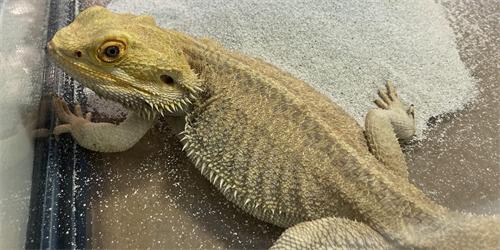
- Example: A bearded dragon showing persistent dark coloration and reduced appetite is often stressed by incorrect UVB lighting or enclosure temperature.
2.2 Birds (Parrots, Finches, Raptors)
- Behavioral signs: feather plucking, excessive screaming, pacing, aggression toward humans or cage mates.
- Physiological signs: weight loss, poor feather condition, weakened immunity.
- Example: Parrots often develop stereotypic behaviors (e.g., feather damaging) when deprived of foraging and social interaction.
2.3 Small Mammals (Rabbits, Ferrets, Guinea Pigs, Hedgehogs)
- Behavioral signs: hiding, reduced grooming, excessive chewing, aggression, or immobility (“freezing”).
- Physiological signs: gastrointestinal stasis in rabbits, adrenal gland disease in ferrets linked to stress and hormonal imbalance.
- Example: Guinea pigs exposed to loud household noises may develop chronic anxiety and reduced food intake.
2.4 Invertebrates (Tarantulas, Scorpions, Hermit Crabs)
- Behavioral signs: refusal to eat, excessive burrowing or surface activity, defensive posturing.
- Physiological signs: incomplete molts, lethargy, shortened lifespan.
- Example: Hermit crabs kept in dry enclosures exhibit stress behaviors due to lack of humidity necessary for respiration and molting.
3. Causes of Stress in Exotic Pets
3.1 Environmental Stressors
- Improper Temperature and Humidity: Reptiles and amphibians rely on precise thermal gradients. Incorrect conditions impair metabolism and cause stress.
- Lighting Mismatch: Lack of UVB light in reptiles disrupts vitamin D3 synthesis, weakening bones and immune function.
- Noise and Vibrations: Birds and small mammals are acutely sensitive to sound, while reptiles detect vibrations through substrate. Household disturbances (TV, construction, loud children) may act as chronic stressors.
- Space Limitation: Small enclosures restrict natural behaviors like climbing, digging, or flying, leading to frustration.
3.2 Social Stressors
- Isolation: Highly social animals (parrots, guinea pigs, some reptiles) experience stress without companionship.
- Overcrowding: Conversely, housing incompatible species or too many individuals can cause territorial aggression.
- Handling Stress: Frequent or improper handling, especially in prey animals, can induce fear-based stress.
3.3 Nutritional Stressors
- Diets lacking in essential nutrients lead to physiological imbalance. For instance, seed-only diets in birds cause malnutrition, while inappropriate protein levels in reptiles may damage kidneys. Food insecurity—irregular feeding or inaccessible food—also triggers stress responses.
3.4 Medical and Physical Stressors
- Illness or Injury: Pain itself is a stressor and can amplify immune suppression.
- Inadequate Veterinary Care: Many exotic pets suffer from delayed diagnosis because owners misinterpret symptoms.
4. Prevention of Stress in Exotic Pets
4.1 Environmental Enrichment and Habitat Design
- Correct Enclosure Size: Provide adequate space for full expression of locomotion. For parrots, cages must allow wing flapping and climbing. For reptiles, vertical or horizontal space should match natural activity patterns.
- Temperature Gradients and Microclimates: Use thermostats, heat lamps, and humidity monitors to recreate species-specific ranges.
- Hiding and Climbing Structures: Many exotic pets need refuges to feel secure. Arboreal species require branches and perches; burrowing animals need deep substrate.
- Lighting Cycles: Simulate natural day-night cycles with appropriate UVB or full-spectrum lighting.
4.2 Behavioral Enrichment
- Foraging Opportunities: Scatter-feeding, puzzle feeders, and hidden food stimulate problem-solving and reduce boredom.
- Tactile and Cognitive Toys: Parrots benefit from shreddable materials, rabbits from chew toys, reptiles from climbing logs.
- Exploration Time: Safe out-of-cage time for birds or supervised floor play for mammals encourages physical activity.
4.3 Social Support
- Species-Appropriate Companionship: Guinea pigs require same-species partners; parrots may benefit from bonded pairs or consistent human interaction.
- Avoiding Overcrowding: Ensure adequate space and resources when housing multiple animals.
4.4 Handling and Human Interaction
- Train animals gradually to accept handling through positive reinforcement. Avoid forceful restraint unless necessary for medical procedures. For prey animals, allow hiding spaces during cleaning or feeding to reduce perceived predation risk.
4.5 Diet Optimization
- Replicate natural diets as closely as possible. Consult veterinary nutritionists for species-specific needs.
- Ensure consistency in feeding schedules to reduce anxiety.
5. Stress Mitigation and Care Strategies
Even with preventive care, stress may arise. Early intervention minimizes harm.
5.1 Environmental Adjustments
- Reduce Noise: Move enclosures away from high-traffic or loud areas. Provide soundproof barriers if needed.
- Modify Lighting: Correct photoperiod disturbances (e.g., avoid 24-hour light exposure).
- Enhance Privacy: Add hides, shelters, or opaque coverings for visual security.
5.2 Behavioral Interventions
- Desensitization Training: Gradually accustom animals to routine care activities (e.g., cage cleaning, nail clipping).
- Positive Reinforcement: Reward calm behavior during handling.
- Rotation of Enrichment Items: Prevents habituation and sustains curiosity.
5.3 Veterinary Care
- Routine Health Checks: Exotic pet veterinarians can identify subtle stress-related illness before it escalates.
- Stress-Reducing Medical Handling: Use species-appropriate restraint, anesthesia when necessary, and minimize transport time.
5.4 Emergency Stress Management
- Acute Situations: During moves, new pet introductions, or illness, maintain stability in temperature, diet, and lighting.
- Transport: Dark, secure carriers with minimal noise exposure reduce travel-related stress.
6. Case Studies in Stress Recognition and Care
Case 1: Stress in a Captive Parrot
A 3-year-old African Grey parrot developed feather-plucking. Examination revealed no medical disease, but the parrot’s environment lacked toys and foraging opportunities. Intervention: introduction of puzzle feeders, scheduled out-of-cage time, and social interaction. Result: reduction in feather plucking and improved vocalization.
Case 2: Stress in a Leopard Gecko
A gecko refused food for two weeks. Enclosure check revealed incorrect temperatures (low nighttime heating). After correcting the thermal gradient, appetite and activity normalized.
Case 3: Stress in Guinea Pigs
Two guinea pigs were housed alone in separate cages. Both displayed lethargy and reduced vocalization. After introducing them to compatible partners, activity levels and food intake improved significantly.
7. Long-Term Welfare Strategies
Sustainable exotic pet care requires ongoing adaptation and owner education.
- Research Species Before Acquisition: Prevents mismatched expectations.
- Continuous Monitoring: Track weight, feeding, and behavior.
- Lifelong Enrichment: Regular updates to environment prevent stagnation.
- Owner Training: Workshops and veterinary consultations improve knowledge.
8. Ethical Considerations
Not all exotic pets are suitable for captivity. Some species have extremely specialized needs that cannot be met outside their native ecosystems. Owners should consider whether keeping certain animals aligns with welfare standards. Stress management is not just about minimizing harm but also about ensuring that captivity allows for a positive welfare state, including the opportunity for choice, control, and expression of natural behaviors.
Conclusion
Stress in exotic pets is a complex but manageable issue. Recognition of stress signals, understanding the underlying biological processes, and implementing preventive and corrective measures are essential for animal welfare. By aligning captive environments with natural needs, providing enrichment, and ensuring proper veterinary care, owners can significantly reduce stress and promote healthier, more fulfilling lives for their exotic companions.
Exotic pets offer unique companionship but demand equally unique responsibility. Stress management is not an optional addition to care—it is a central pillar of ethical and scientific husbandry.
Recommend:
Breeding and Managing Live Feed: Techniques for Crickets, Fruit Flies, and Worms

The New Family Dynamic: How Pets Are Redefining Relationships in an Atomized Society

The Gen Z Pet Parent: Why 70% of This Generation Owns Multiple Pets
Designing Sustainable Habitats: Integrating Clean-Up Crew, Circulation, and Natural Vegetation